
If you are searching for ‘drainage contractors near me’ and commercial drainage systems for a site, the real question is this: will your drainage cope with daily production, washdown and peak shifts without creating downtime, hygiene risk or maintenance headaches?
Internal drainage is often treated as a “fit-out detail”, yet it is one of the few systems that touches safety, compliance, cleaning time and product quality all at once. In food production, breweries, factories and busy commercial buildings, a good drainage system is built around flow, cleaning and access, not just pipe sizes.
Key Takeaway
On production sites, drainage fails for predictable reasons: poor falls, hard-to-clean channels, wrong gratings for the load and no plan for maintenance access. We design drainage around your processes first, then build a system that is easier to clean, safer to work around and cheaper to maintain long term.
Why Internal Drainage Is Different On Production Sites
Production drainage has to deal with water, fats, solids and cleaning chemicals, often in the same shift. That means the “water drainage and foul” side needs clarity from day one: what goes to surface water drains, what goes to foul water, and what needs treatment before discharge. On many sites, the drainage issues start when these routes are mixed, undersized or badly positioned.
A practical drainage system for production also has to match how people actually work. If your team is pulling pallets across thresholds, pushing trolleys through wash bays or cleaning around fixed equipment, the drainage line needs to be in the right place with the right finish. If it is not, you will see standing water, slippery floors and repeated blocked drain callouts.
Drainage Systems You Might Need On A Commercial Site
Not every building needs the same approach. We often see a mix of internal and external elements working together:
- Internal channels and gullies for washdown areas, processing zones and loading bays
- Grease management where oils and food waste are present
- External surface water drainage to manage runoff and protect the building envelope
- Sewage systems connections, or upgrades where capacity has changed
- Septic tank or packaged treatment options on more remote sites
- Sewage treatment infrastructure on larger industrial premises, including links to sewage treatment plants or on-site solutions
The right answer depends on how your site operates, not just what is already there.
How We Design Drainage To Reduce Downtime
Process-Led Layout First
Before we touch the floor, we map where water is generated and where it needs to go. That includes washdown points, equipment discharge, doorways, bunded areas and cleaning routes. We also look at the “messy reality”, such as where solids enter the system and where staff naturally push water during cleaning.
CCTV Drain Survey When It Makes Sense
If you are refurbishing, expanding or inheriting an unknown system, a CCTV drain survey can prevent nasty surprises. It helps confirm condition, alignment, capacity and defects without unnecessary excavation.
Falls, Finishes And Access
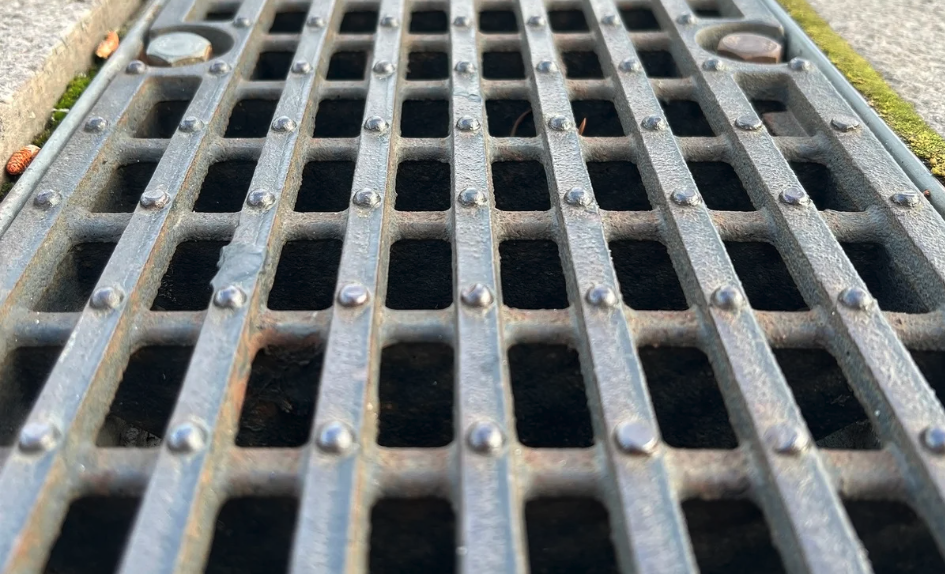
Good drainage is about what happens on top of the slab, not just below it. We design falls to move water quickly, choose gratings that match load and slip risk, and make sure access for cleaning and maintenance is realistic. This is where “reliable drainage” is won or lost.
| Commercial Area | Common Drainage Risk | What We Build In From Day One |
| Production and washdown zones | Standing water, slip hazards | Correct falls, channel positioning, safe gratings |
| Cold rooms and chilled areas | Condensation and pooling | Drain placement that matches cleaning and door traffic |
| Loading bays | Debris and silt, blocked drain incidents | Robust channels, easy access for cleaning |
| Staff welfare and canteens | Fats and food waste | Separation, grease control, planned maintenance access |
| External yards | Flooding and runoff | Surface water drains aligned to site levels and discharge |
What To Expect From A Professional Service
When clients search “drainage companies”, they often just want a fast fix. On commercial sites, that can be a false economy. The better outcome is a system that is designed to be maintained.
Here is what we focus on:
- Health and safety around wet areas, traffic routes and cleaning operations
- Hygiene outcomes and easier cleaning, especially in production environments
- Fewer repeat callouts for blocked drain problems
- A drainage plan that supports future layout changes and new equipment
Our Approach As Drainage Contractors Near Me
As Octego, we work across Sussex and the South East on commercial and industrial premises, and we can either integrate with your wider project team or manage the whole package.
How We Deliver A Drainage System That Works
- We review the site layout, processes and problem areas
- We confirm routes for foul and surface water, plus any required upgrades
- We agree a practical drainage plan that matches your programme and budget
- We install and repair with minimal disruption to day to day operations
- We hand over with clear guidance on maintenance and future changes
This is how you avoid “fixed it twice” jobs and get a high standard result first time.
Ready To Fix Drainage Issues Properly?
If you need drainage contractors near me for a commercial site, speak to Octego about a tailored drainage system designed around your operation, or call 01444 405269.
And if you liked this blog, you may also like our recent article: Project Management & The Role of a Construction Manager.
FAQs
What Do Drainage Contractors Near Me Do For Commercial Sites?
Commercial drainage contractors assess how water and waste move through your building, then design, install and maintain systems that reduce slip risks, improve hygiene and prevent blockages. On production sites, this often includes internal channels, gullies, foul connections and surface water drains.
What Is The Difference Between Surface Water Drains And Foul Drainage?
Surface water drains carry rainwater runoff from roofs and yards, while foul drainage carries wastewater from production, washdown and welfare areas. Mixing the two can cause capacity issues and compliance problems, so a clear drainage plan matters.
When Should I Get A CCTV Drain Survey?
A cctv drain survey is most useful before refurbishments, tenant changes or major drainage repairs. It helps confirm condition, locate defects and avoid unnecessary excavation, especially on older commercial premises.
Do Commercial Sites Ever Use A Septic Tank?
Yes, some industrial or rural sites use a septic tank or a treatment plant where there is no mains connection. The right option depends on discharge rules, site capacity and future expansion plans.
How Do You Reduce Blocked Drain Problems In Production Areas?
We design to keep solids out where possible, use channels and gullies that are easier to clean, build in proper falls and ensure access points are realistic for maintenance. The goal is fewer callouts and a safer working environment.
Can You Help With External Drainage And Sewage Systems Too?
Yes. Alongside internal drainage, we can support surface water drainage systems, external runs and upgrades to sewage systems, including links to sewage treatment solutions where required.
How Do Commercial Drainage Contractors Diagnose Ongoing Drainage Issues?
Experienced commercial drainage contractors typically start with site-specific assessments, often using tools like CCTV drain surveys to identify blockages, damage or design flaws. This allows problems to be resolved accurately rather than relying on repeat reactive repairs.
What Types Of Drainage Systems Are Used Inside Production Facilities?
Internal production environments usually rely on bespoke drainage systems designed for water drainage, washdown processes and waste removal. These can include channel drains, floor gullies and stainless steel systems tailored to hygiene, flow rates and safety requirements.
When Should A Business Upgrade Its Existing Drainage System?
Upgrades are often needed when drainage issues become frequent, production increases, regulations change or new equipment is installed. Proactively improving drainage systems can prevent downtime, protect assets and maintain compliance across commercial sites.
Do Commercial Drainage Services Cover External And Sewage Systems As Well?
Yes, professional drainage companies typically handle internal drainage alongside external water management, sewer lines, septic tanks and sewage treatment connections. Managing these together ensures the entire system works efficiently and reliably.
Why Is Bespoke Drainage Important For Commercial And Industrial Sites?
No two commercial sites operate the same way. Bespoke drainage solutions ensure capacity, durability and hygiene standards match how the building is actually used, reducing blocked drains, improving safety and supporting long-term operational performance.
Updated January 2026