
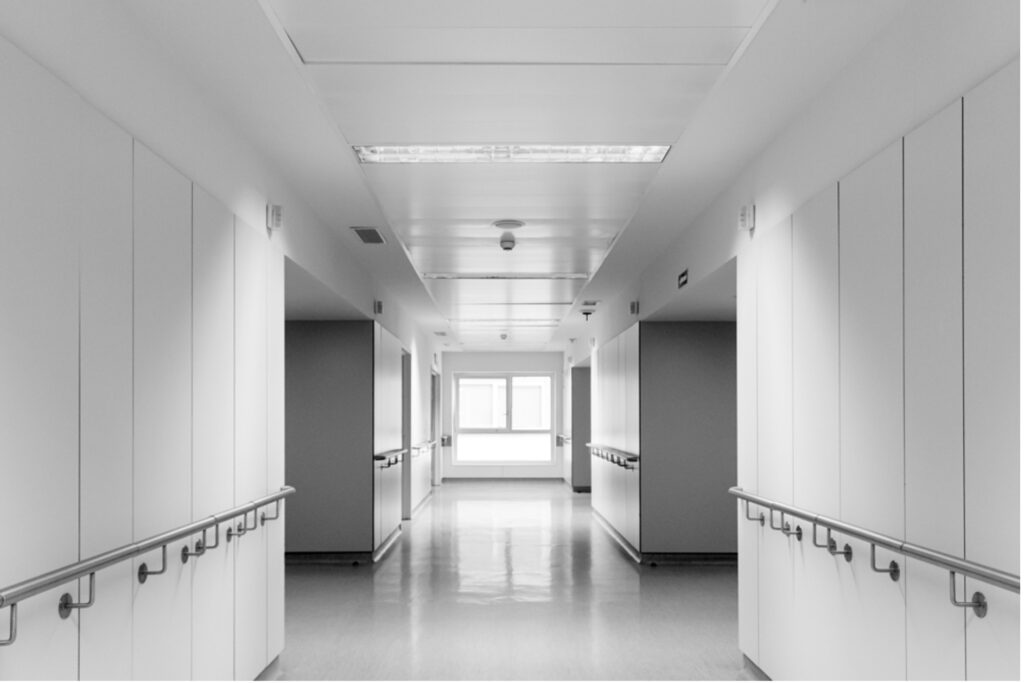
Cladding Boards: Interior Cladding That Keeps Hygiene Simple
When you are responsible for a commercial space, walls are not just “background”. In food prep areas, washdown zones, clinics, labs, breweries and busy washrooms, wall finishes take daily knocks, constant cleaning, and the kind of moisture that exposes every weak point. That is why cladding boards have become a go-to choice for interior cladding where hygiene, durability and speed of maintenance all matter.
What people mean by “cladding boards” indoors
In residential settings, you might picture timber cladding, tongue and groove boards, and feature walls. That look can work indoors, but hygienic environments have different priorities. In commercial interiors, “cladding boards” often refers to hygienic wall panels that create a smooth, sealed, easy-clean surface. Typically, these are PVC-based systems designed to reduce places where dirt and moisture can sit.
So if you are searching for cladding boards because you need a wall finish that stands up to strict cleaning routines, audits, and daily wear, you are usually looking for hygienic interior cladding rather than traditional timber cladding.
Why hygienic wall cladding beats paint and tiles in high-demand areas
Painted walls can scuff, stain, and absorb odours over time. Tiles are tough, but grout lines are the weak spot. In areas that get wet or need frequent cleaning, grout can discolour, crack, or become a maintenance headache.
Hygienic wall cladding is popular because it gives you:
- A non-porous surface that is easier to wipe down
- A consistent finish that looks professional for longer
- Less time spent fighting with repairs, touch-ups, and deep cleans
It is not about making a space look “clinical”. It is about making the day-to-day reality easier for the people running the site.
Where interior cladding makes the biggest difference
Hygienic wall cladding is commonly specified where cleanliness and durability are non-negotiable, such as:
- Commercial kitchens and food production areas
- Healthcare settings and clinics
- Laboratories
- Breweries and production sites
- Washrooms and changing areas
In these environments, wall cladding is part of your risk management. It helps protect the building fabric, supports hygiene standards, and keeps cleaning straightforward.
Materials and profiles: where timber terms still show up
Your brief includes terms like tongue and groove, treated timber, and timber cladding. Here is how they fit into an interior, hygienic conversation without forcing the wrong product into the wrong space:
Tongue and groove: Hygienic panel systems can use tongue and groove-style joints to create a tight, aligned fit, especially on ceilings and certain panel ranges.
Treated timber / timber cladding: Timber can be high quality and easy to install in the right setting, but it is rarely the best choice for hygiene-critical zones unless it is fully protected and detailed correctly. If you want the warmth of timber cladding indoors (for example, an office feature wall), it is a different spec and a different goal than hygienic wall cladding.
The key is being honest about the requirement. If hygiene and washdown are central, the cladding range should be chosen for that job, not for aesthetic tradition.
“Easy to install” still needs to mean “installed properly”
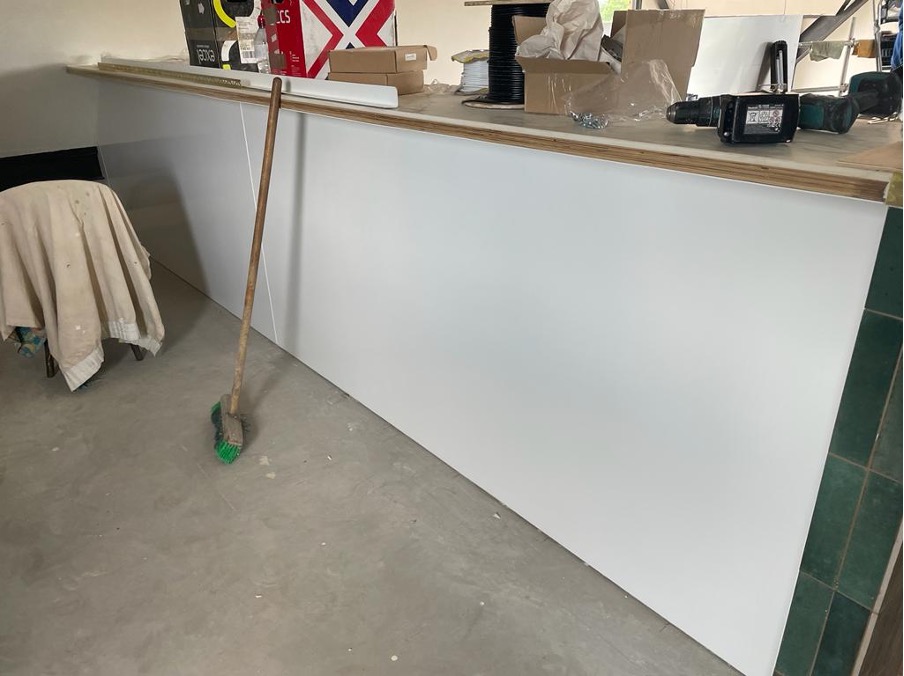
A lot of hygienic cladding is described as easy to install. The panels themselves may be straightforward, but the outcome depends on the details:
- Wall prep and making good uneven substrates
- Clean junctions around sinks, counters, door frames and pipework
- Correct trims and sealants to reduce gaps and water traps
- Planning around downtime, access, and working safely in live environments
This is where specialist installation pays off. It is not just fitting panels. It is delivering a finish that stays hygienic, stays sealed, and stands up to real-world use.
Our trusted provider: BePlas
For hygienic interior cladding, Octego works with BePlas as a trusted provider of hygienic cladding panels for commercial interiors. BePlas panels are designed for the environments where wall finishes have to perform, not just look tidy.
That matters because the best installation in the world cannot save a poor product choice. Using a proven system helps you get a reliable, consistent result.
Hygienic cladding installation with Octego
Octego supplies and installs hygienic wall cladding for commercial and industrial businesses across Sussex and the South East, either as a subcontractor within a wider project or by managing the job directly.
If you are planning a refurb, dealing with worn or hard-to-clean walls, or upgrading a space to meet stricter standards, we can help you choose the right cladding boards and deliver a high quality finish that works for the way your site runs.
If you would like a quote or want to talk through your options, take a look at our hygienic wall cladding service page and get in touch:
Frequently asked questions
Are cladding boards suitable for hygiene-critical spaces?
Yes, as long as you are using hygienic wall cladding systems designed for easy cleaning and sealed detailing. The product choice and installation quality both matter.
What is the difference between interior cladding and hygienic cladding?
Interior cladding is a broad term that can include decorative timber cladding and other finishes. Hygienic cladding is specified to create a smooth, non-porous, easy-clean wall cladding surface.
Is hygienic cladding easy to install?
The panels can be straightforward, but good results depend on prep, trims, sealing, and careful detailing around penetrations and junctions. A professional install avoids the common failure points.
Can I use tongue and groove systems for hygienic wall cladding?
Some hygienic cladding products use tongue and groove-style joints, particularly in ceiling systems and certain panel ranges. The key is maintaining a sealed, wipe-clean finish.
Do I need to remove tiles or old finishes first?
Not always, but it depends on the condition of the substrate and what is needed to achieve a flat, secure, hygienic finish. A site visit is usually the quickest way to confirm the right approach.
Why use BePlas panels?
BePlas is a well-established hygienic cladding manufacturer, and Octego uses them as a trusted provider for commercial interiors where durability and cleanability are essential.
Updated January 2026