
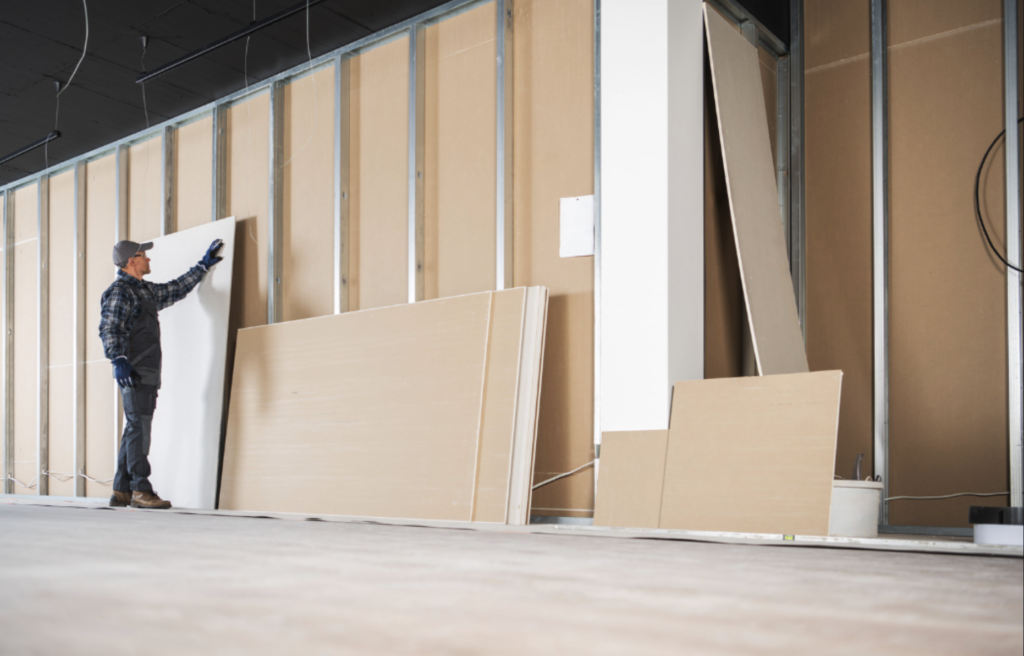
Industrial cladding contractors who understand cladding installation can turn a tired unit into a cleaner, safer and easier-to-run workspace without dragging your operation into weeks of disruption.
Key Takeaway
If you want cladding that lasts in a working environment, judge it by junctions, fixings and cleanability, not just the panel you pick.
- Choose systems that suit your washdown routine, impact risk and temperature changes
- Prioritise hygienic, grout-free finishes where contamination control matters
- Plan access, sequencing and protection so production can keep moving
Why Industrial Cladding Matters In Commercial Buildings
Cladding is often treated as a “finish”, but in factories, warehouses and commercial kitchens, it behaves more like infrastructure. The right internal lining protects walls from moisture and knocks, reduces cleaning time and helps you maintain a consistent standard across shifts.
It also supports compliance. In hygiene-critical areas, porous surfaces, cracked tiles and failing sealant lines become a hidden risk. Hygienic wall cladding is designed as a smooth, wipeable surface without grout lines, making it far easier to keep clean and far harder for damp and microbial growth to take hold.
Where Hygienic Cladding Panels Make The Biggest Difference
Octego installs hygienic wall cladding across Sussex and the South East for sectors where the wall finish is part of the process, not decoration.
You will see the clearest ROI in places like:
- Food preparation, production and commercial kitchens
- Breweries and distilleries, especially around washdown zones
- Laboratories, clinical environments and healthcare back-of-house areas
- Office bathrooms and staff welfare areas in industrial sites
In each case, hygienic panels help you standardise cleaning, reduce snag points and keep walls in better condition between refurb cycles.
Choosing The Right Cladding Panel For The Job
| Cladding Option | Best Fit For | Main Benefit | Key Watch-Out |
| Hygienic PVC Wall Cladding | Food areas, washdown rooms, labs | Seamless, easy-clean finish | Detail work at edges and penetrations must be spot-on |
| Insulated Panels | Temperature-stable spaces, controlled environments | Thermal performance and cleaner finish | Correct vapour control and joint detailing matter |
| Impact-Resistant Wall Liners | Loading zones, high-traffic corridors | Protects walls from trolleys and pallets | Needs the right fixing pattern for the substrate |
| GRP Or Composite Sheets | Utility areas, mixed-use zones | Durable, practical surface | Must be specified for cleaning chemicals used onsite |
| Metal Liner Systems | Manufacturing and plant rooms | Tough, long-life finish | Condensation control and cut-edge protection are critical |
What Good Cladding Installation Looks Like On Working Sites
The difference between “looks good” and “works well” is usually invisible on day one. It shows up months later at door reveals, behind pipework and along floor junctions.
Substrate Preparation
We start by checking what we are fixing to. Uneven walls, damp patches, failing render and incompatible paints will all compromise adhesion and finish. If the substrate needs making good, we plan it into the job properly rather than hiding issues behind new panels.
Junctions, Penetrations And Washdown Reality
Corners, trims, service penetrations and upstands are where hygiene fails first. We set these details out with your cleaning routine in mind so you do not end up with awkward ledges, split sealant lines or water tracking into voids.
Downtime Planning That Respects Operations
Cladding work often sits inside live environments. We can sequence areas, protect equipment, manage access routes and coordinate around other trades so the site stays safe and productive.
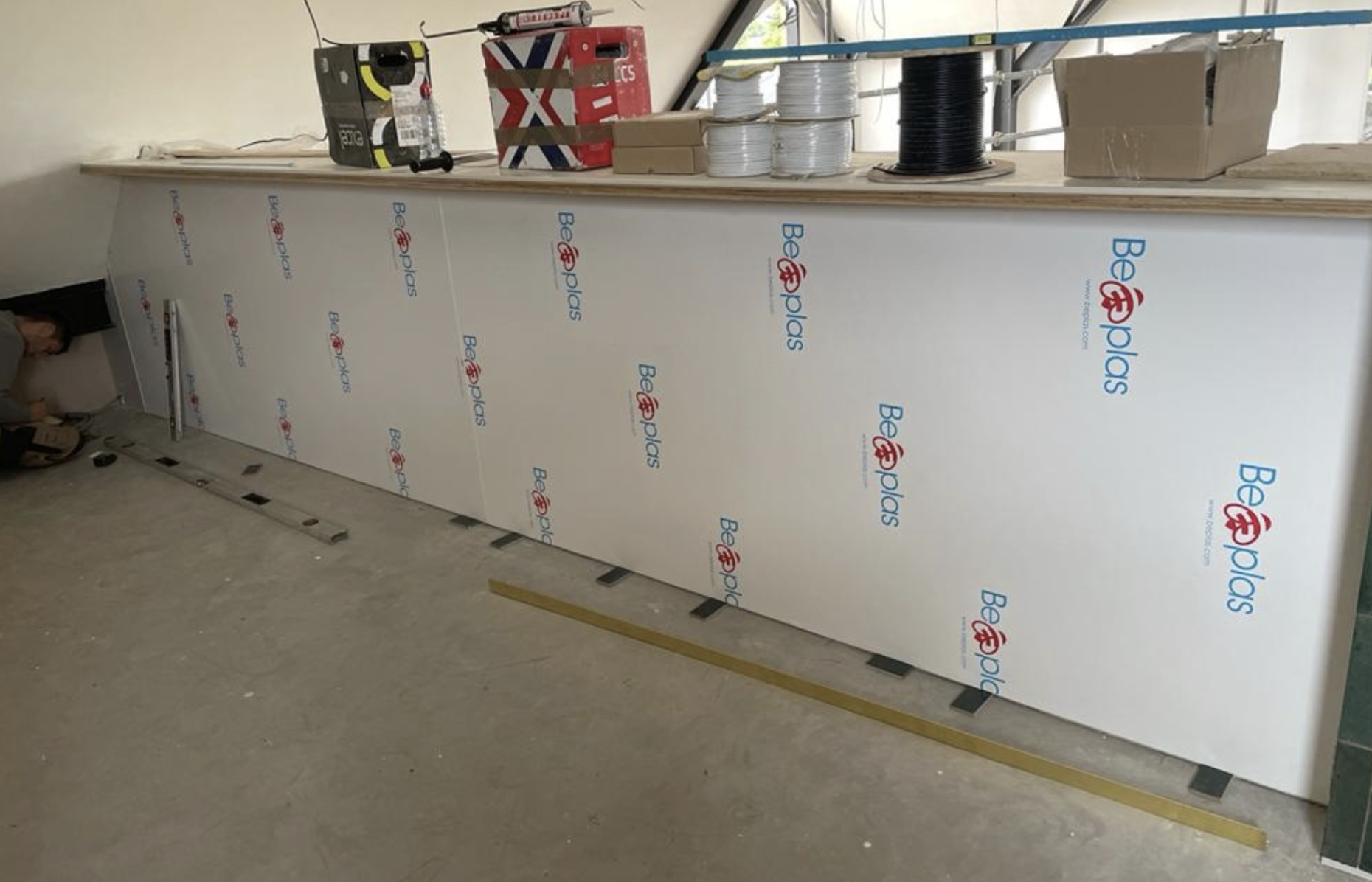
How We Deliver Cladding Works At Octego
As a family-run contractor with wide experience across commercial sectors, we handle cladding as part of the bigger picture, especially where it links to drainage, flooring, partitioning, cold rooms or wider refurbishment.
Here is how our cladding projects typically run:
- Survey the space and confirm what the walls need to cope with (washdown, impact, heat, chemicals)
- Specify the right system for performance, budget and lifecycle cost
- Agree sequencing to minimise disruption and keep health and safety tight
- Install with clean detailing at edges, junctions and service penetrations
- Handover with clear care guidance so the finish stays compliant
We also work either as part of a wider programme or as a specialist package alongside other contractors, depending on what your site needs.
Why Businesses Choose Octego
Industrial cladding is rarely a standalone decision. The best results come when the contractor understands the whole environment: hygiene standards, site logistics, other trades and the pressure of keeping production moving. Octego supplies and installs cladding across Sussex and the South East, delivers to strict timelines and budgets and can support wider fit-out and refurbishment works when needed.
Speak To Industrial Cladding Contractors You Can Rely On
If you are planning cladding installation for a factory, warehouse, laboratory or commercial kitchen, speak to Octego about the right system and the cleanest way to deliver it. Call us on 01444 405269.
We’ve got plenty more interesting reads for you in our blog section, like: Construction Management Project: How Project Managers Keep On Track.
FAQs
What Do Industrial Cladding Contractors Do On Commercial Sites?
Industrial cladding contractors survey the space, specify the right wall and ceiling systems, prepare substrates and complete cladding installation with correct trims, seals and service penetrations so the finish is durable, safe and easy to maintain.
What Is Hygienic Wall Cladding Used For?
Hygienic wall cladding is used in areas where cleaning and contamination control matter, such as food production, commercial kitchens, breweries, laboratories and clinical settings. It creates a smooth, wipeable surface that is easier to keep clean than tiled walls.
Is PVC Cladding Suitable For Food Production Areas?
Yes, PVC cladding is commonly specified for food areas because it can be cleaned quickly and does not rely on grout lines. The key is correct detailing at corners, floor junctions and around pipework so water cannot track behind panels.
How Long Does Cladding Installation Take In A Factory Or Warehouse?
It depends on the square metreage, the condition of the substrate and whether the site is live. Many projects can be phased zone by zone to keep operations running while the work is completed safely.
Can Cladding Be Installed While We Stay Operational?
Yes. Industrial cladding contractors can plan access routes, isolate work zones and sequence noisy or high-impact tasks around production, deliveries and shift patterns so disruption is kept low.
What Should I Look For In A Good Cladding Specification?
Look for suitability for your washdown routine, impact risk and chemical use, plus the right trims, seals and fixings for your substrate. A panel choice is only part of the outcome, junction detailing is what protects performance long term.
Do Insulated Cladding Panels Help With Energy Efficiency?
Insulated panels can improve energy efficiency by reducing heat loss and stabilising internal temperatures, particularly in controlled environments and temperature-sensitive areas. Correct joint detailing and vapour control matter to avoid condensation issues.
What Are The Most Common Mistakes In Commercial Cladding Projects?
Typical issues include poor substrate preparation, weak detailing around penetrations, incorrect sealing at corners and floor junctions and choosing a system that does not suit cleaning chemicals or temperature changes on site.
How Does Hygienic Cladding Support Health And Safety?
A cleanable, durable wall finish reduces slip and hygiene risks linked to damp, flaking paint and broken tiles. It also supports safer cleaning routines because surfaces are quicker to wash down and less likely to harbour contaminants.
Why Choose Octego For Cladding Installation In Sussex And The South East?
Octego supplies and installs hygienic wall cladding across Sussex and the South East and can coordinate cladding with wider refurbishment works such as drainage, flooring, partitioning and cold rooms, keeping programmes controlled and finishes consistent.
Updated February 2026