
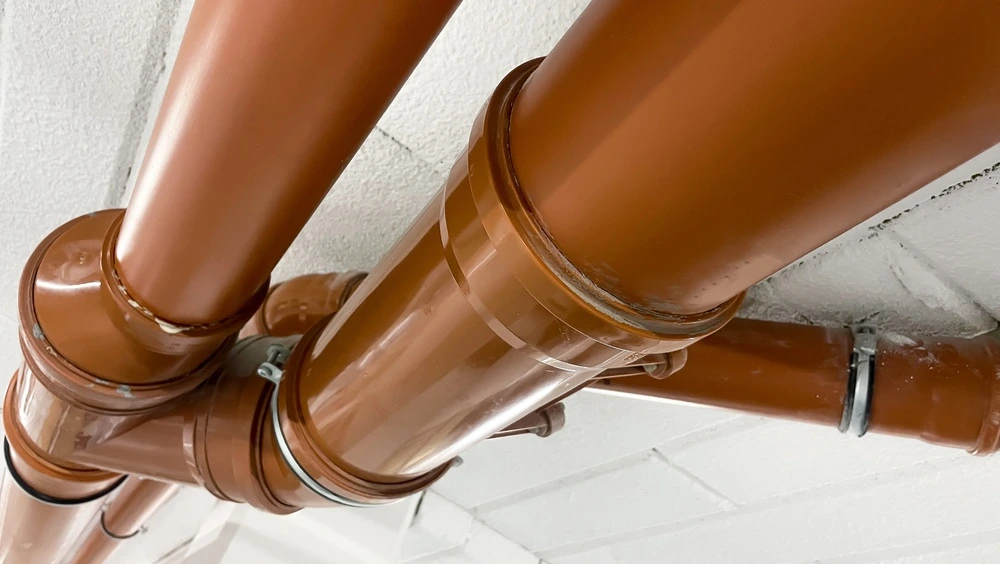
A drainage installer working on an industrial or commercial site needs to understand far more than where a pipe should go. Warehouses, food production facilities, factories, yards and other large industrial premises can all put very different demands on drainage systems, from heavy surface water run-off to wastewater, grease and new connections to existing infrastructure.
At Octego, we provide industrial drainage services as part of our wider groundworks and construction offering, designing and installing systems around how the site actually operates.
Quick Summary
The right drainage solution starts with understanding where water comes from, where it needs to go and what it may contain. Industrial drainage can involve surface water systems, foul water drains, tanks, pipework, soakaways, sewerage connections, grease traps and flood mitigation measures.
Our team can work alongside other contractors or manage the drainage element as part of a wider project, keeping excavation, installation and reinstatement coordinated from start to finish.
Why Industrial Drainage Needs Proper Planning
Drainage problems are not always caused by a blocked pipe. On a commercial site, problems can begin with poor falls, insufficient capacity, incorrect connections or a system that was never designed for the volume or type of water the building now produces.
The basic purpose of drainage is to remove excess surface or subsurface water, but industrial sites add another layer of complexity because not every type of water should be handled in the same way.
Where Water Is Coming From Matters
A warehouse yard receiving heavy rainfall has different requirements to a food production area producing contaminated wash water. Loading bays, car parks, roof areas and process spaces can all feed water into different parts of the drainage system.
Surface Water And Contaminated Water Need Different Routes
GOV.UK pollution prevention guidance explains that surface water drains can discharge directly into the environment, while contaminated water from business activities needs to be directed appropriately, treated, recycled or otherwise managed. Correct identification and connection of drains is therefore much more than a construction detail.
| Site Requirement | Possible Drainage Consideration |
| Large roof or hardstanding areas | Surface water collection and run-off routes |
| Food production or commercial kitchens | Foul drainage, grease traps and hygienic drainage |
| Vehicle yards and loading areas | Falls, channels, catch pits and discharge routes |
| New developments | Soakaways, sewer connections, tanks and SuDS |
| Existing sites | Drain condition, capacity and new connections |
What Should A Drainage Installer Consider?
Before excavation starts, a drainage contractor should be looking at the whole site rather than treating each drain as an isolated feature.
- Where does water enter or build up?
- What volumes might the system need to handle?
- Is it surface water, foul water or potentially contaminated?
- Where do existing drains connect and which way does water flow?
- Will vehicles, concrete or flooring sit over the drainage?
- How can the work be completed with minimal disruption?
GOV.UK recommends businesses maintain a drain plan showing drain locations, types, flow direction and discharge points. For developments, the national SuDS standards also place emphasis on design, long-term maintenance and performance during different rainfall conditions.
Designed And Installed As Part Of Wider Groundworks
One advantage of using Octego as your drainage installer is that drainage does not have to be separated from the rest of the groundworks.
Our team can prepare and clear sites, excavate, install tanks and pipework, create run-off areas and flood protection measures, pour concrete and complete associated works. We can also install sewerage systems, grease traps and other commercial drainage solutions.
That can be particularly useful when drainage forms part of a refurbishment, extension or new industrial project. The excavation, installation and surrounding works can be planned as one coordinated programme rather than treated as disconnected jobs.
Industrial Drainage Services For Different Sites
There is no single drainage system that suits every building. Our drainage solutions can be tailored around site layout, usage, hygiene requirements, existing infrastructure and expected water flows.
Depending on the project, this may include:
- Surface water drainage and run-off management
- Foul water drainage and sewerage connections
- Tanks, pipework and soakaways
- Grease traps for relevant catering environments
- Repairs to damaged or collapsed pipework
- Flood mitigation, dykes and run-off areas
- Drainage upgrades within wider groundworks projects
CIRIA’s SuDS guidance also reinforces the value of considering drainage through planning, design, construction, management and maintenance rather than treating it as a final add-on.
Choosing Octego As Your Drainage Installer
For us, high quality drainage means making sure the system fits the building, surrounding ground and the way the business operates.
We have decades of experience working across commercial and industrial premises, including food processing and catering environments. We can work with architects, civil engineers and building contractors, or provide a project manager to oversee the works directly.
If you need a drainage installer for a new development, an existing commercial site or a larger groundworks project, speak to Octego about a system designed and installed around your premises.
📞 01444 405269
🌐 https://www.octegoltd.co.uk/
If you liked this, you may also like: Industrial Drainage: Efficient Solutions for Businesses
Frequently Asked Questions About Choosing a Drainage Installer
A drainage installer designs, prepares and installs systems that move surface water, foul water or wastewater safely away from a site. On commercial and industrial projects, this can include excavation, pipework, channels, tanks, soakaways and connections to existing drainage infrastructure.
Commercial drainage systems often need to cope with larger volumes of water, heavier use and more complex site layouts than domestic systems. Industrial premises may also need specialist solutions for process water, grease, vehicle areas or large expanses of roof and hardstanding.
Drainage capacity should be assessed against the size of the site, expected water volumes, rainfall, connected surfaces and the way the premises are used. A drainage expert can review existing infrastructure and identify whether additional capacity, new routes or upgraded components are required.
Yes. Drainage is often installed alongside excavation, foundations, concrete works, road construction and other groundworks. Coordinating these elements can reduce duplicated excavation and help make sure drainage levels and routes are considered before surfaces are completed.
Surface water drainage manages rainwater collected from roofs, roads, yards, car parks and other hard surfaces. Depending on the site, water may be directed towards drains, soakaways, attenuation systems or another approved discharge point.
Common causes include damaged pipework, poor falls, insufficient capacity, blocked channels, incorrect connections and changes to how the site is being used. New buildings, extensions or additional hardstanding can also increase the amount of water entering an older drainage system.
Often, yes, although the existing drainage needs to be assessed first. Its location, condition, capacity and discharge route all need to be understood before additional drains or pipework are connected.
A grease trap separates fats, oils and grease from wastewater before they enter the wider drainage system. They are commonly used in commercial kitchens, food production facilities and other environments where significant amounts of grease could otherwise enter the drains.
Good planning can allow work to be phased around vehicle routes, operating hours and other activities taking place on site. Where possible, excavation areas, temporary access and reinstatement should all be considered before work begins rather than dealt with as problems arise.
Drainage should normally be considered early in the design and groundworks stages. Pipe depths, falls, discharge points and access requirements can all affect foundations, floor levels, roads and landscaping, so leaving drainage decisions until later can create unnecessary complications.