
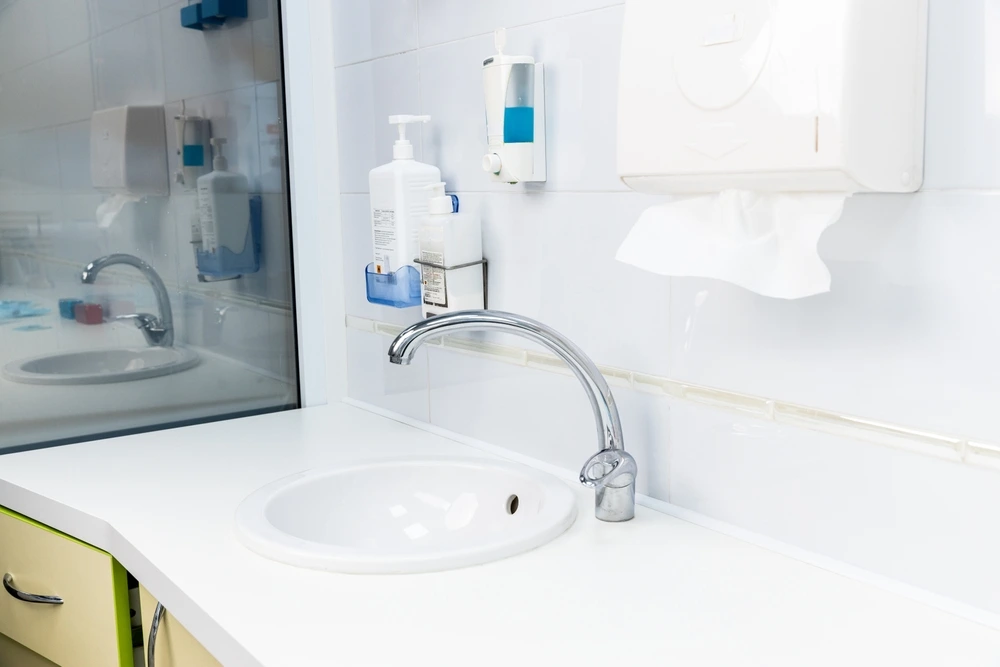
Commercial washroom installers need to think beyond toilets, basins and cubicle doors. A commercial washroom has to cope with daily use, fit the building around it, stay easy to clean and meet current requirements for accessibility and workplace facilities.
At Octego, we install and refurbish commercial washrooms for offices, warehouses, factories and other business premises. Whether the job involves replacing worn commercial toilet cubicles or creating new facilities as part of a wider refurbishment, the aim is to make the space practical for the people using it every day.
Quick Summary
A well-planned commercial washroom should consider:
- User numbers and traffic
- Accessibility and building regulations
- Cubicle and fitting durability
- Plumbing, drainage and ventilation
- Cleaning and maintenance
- How the room fits into the wider building
Start With How The Washroom Will Be Used
There is a big difference between office toilets used by a small team and facilities serving a busy factory, leisure centre or healthcare facility. User numbers, cleaning frequency and the demands placed on the room should all influence the washroom design.
Before choosing finishes, it is worth asking:
- How many regular users will there be?
- Will visitors also use the facilities?
- How much wear will the room receive?
- Are accessible facilities already adequate?
- Will showers or changing areas be required?
- Does the existing drainage suit the proposed layout?
That final point matters more than it might appear. Moving a toilet cubicle on a plan is easy; moving the waste connection beneath it can be a much larger job. Where drainage changes are needed, our commercial drainage services can be considered alongside the washroom work rather than treated separately later.
Commercial Toilet Cubicles Need To Suit The Setting
There is no single toilet cubicle specification that works everywhere.
An office may place more emphasis on appearance and efficient use of space, while high traffic environments usually need tougher panels, fittings and ironmongery. Moisture levels, cleaning products and the risk of damage should all be considered before choosing between cubicle ranges.
| Consideration | Why It Matters |
| User numbers | Higher traffic calls for tougher materials |
| Moisture | Wet areas need suitable panels and finishes |
| Cleaning | Surfaces must tolerate regular cleaning |
| Privacy | Doors, partitions and gaps affect comfort |
| Maintenance | Components should be straightforward to repair |
It is easy to choose from colour swatches and finishes alone, but the better question is how those materials will perform after years of daily use.
Building Regulations Should Shape The Layout
Commercial washrooms are part of the building, so compliance cannot be added as an afterthought.
Approved Document M covers access to and use of buildings, including accessible sanitary accommodation, while Approved Document T covers toilet accommodation in new non-domestic buildings. The Health and Safety Executive also provides guidance on suitable toilet and washing facilities in workplaces.
These requirements influence circulation space, cubicle dimensions and accessible provision, so they need to be considered from the outset.
Look Beyond The Cubicle
Washroom cubicles are only one part of the room. Basins, taps, locks, dispensers, flooring, wall finishes and ventilation all contribute to how well the space performs.
At Octego, our commercial toilet installations can also include wash troughs, shower cubicles and other sanitary facilities according to the site.
Think About The Next Few Years
A new washroom should look good on completion, but it also needs to remain manageable. Accessible pipework, replaceable fittings and easy-to-clean surfaces may be less noticeable than the finished cubicles, yet they can make maintenance much simpler later on.
When The Washroom Is Part Of A Bigger Refurbishment
Washroom refurbishments are often tied into wider building work.
A warehouse project might involve new offices, staff facilities and toilets alongside partitioning, flooring, drainage or other services. Coordinating those elements as one project can help prevent clashes between trades and stop decisions being made in isolation.
Our warehouse refurbishment work covers these wider changes, allowing a new commercial washroom to be planned alongside the rest of the building rather than squeezed into whatever space happens to be left.
Commercial Washroom Installers For New And Existing Facilities
Not every project needs a complete strip-out. Sometimes replacing tired washroom cubicles, sanitaryware and finishes is enough. In other cases, an awkward layout, ageing infrastructure or changing workforce means a more substantial refurbishment makes better sense.
We work closely with clients to establish what the building actually needs before deciding how far the refurbishment project should go. That might mean upgrading office toilets, creating new staff facilities or delivering a full commercial washroom as part of a larger fit-out.
Even something as familiar as a public toilet has to balance privacy, durability, accessibility, cleaning and maintenance. In a commercial setting, those choices also need to suit the building and the people using it every day.
If you are planning new commercial washrooms or upgrading existing facilities, speak to Octego about the project.
📞 01444 405269
🌐 https://www.octegoltd.co.uk/
If you liked this, you may also like: Commercial Fit Out Contractors for Warehouses in 2026
Frequently Asked Questions About Commercial Washroom Installers
It depends on the size of the washroom and how much needs changing. A straightforward cubicle and sanitaryware replacement may be relatively quick, while projects involving drainage, plumbing, flooring or layout changes will naturally take longer.
Commercial toilet cubicles are available in a range of materials, including laminated panels and more durable compact-grade options. The right choice usually depends on moisture levels, expected traffic, cleaning requirements and the budget for the project.
Often, yes. The work can sometimes be phased or planned around working hours to reduce disruption, although this depends on the number of available facilities and the extent of the refurbishment.
Accessibility should be considered when designing or refurbishing commercial washrooms. The exact requirements depend on the building and project, so accessible layouts, circulation space, sanitaryware and grab rails should be considered early in the design process.
The number of toilets required depends largely on the number of people using the workplace. Businesses should also consider how facilities are distributed across the building, particularly on larger sites or where staff work across several floors or departments.
Yes, but the existing plumbing and drainage can affect what is practical. Moving toilets, basins or showers may require new pipework or alterations beneath the floor, so layout changes are best assessed before the final design is agreed.
High traffic washrooms generally benefit from robust panels, durable hinges and locks, and finishes that can withstand frequent cleaning. Schools, leisure centres, factories and other busy facilities may need a tougher specification than a smaller office washroom.
There is no fixed refurbishment schedule. Heavy use, damaged fittings, difficult cleaning, outdated layouts or repeated maintenance problems are usually better indicators that a washroom needs attention than its age alone.
Yes. Commercial washroom projects can incorporate showers, changing areas, wash troughs, lockers and other staff facilities where required, depending on the available space and the way the building is used.
User numbers, privacy, accessibility, cleaning, ventilation and available space should all be considered. It is also worth thinking about maintenance access and durability, because even a relatively small office washroom will see repeated use throughout every working day.