
Commercial building renovation and Warehouse refurbishment are two sides of the same challenge: improving performance without stopping the business.
Every refurbishment project starts with a simple question: what needs to change for the building to work better for your people, your process and your customers? Sometimes that means a full strip-out and rebuild. Other times it is about creating new spaces, reworking old ones and upgrading the parts that quietly cause the biggest delays, leaks or compliance headaches.
Key Takeaway
If you want a renovation that actually improves output, focus on flow, compliance and maintainability, not just finishes. The best results come from planning around real working patterns, protecting health and safety and designing for the long term.
What “Renovation” Means In Commercial Buildings
A commercial building renovation is not cosmetic, it is operational. We see businesses lose time and money when a space looks smart but still fails on basics like traffic routes, drainage, temperature stability, cleaning access or power capacity.
The Three Things That Make Or Break Renovation Projects
Workflow First, Then Walls
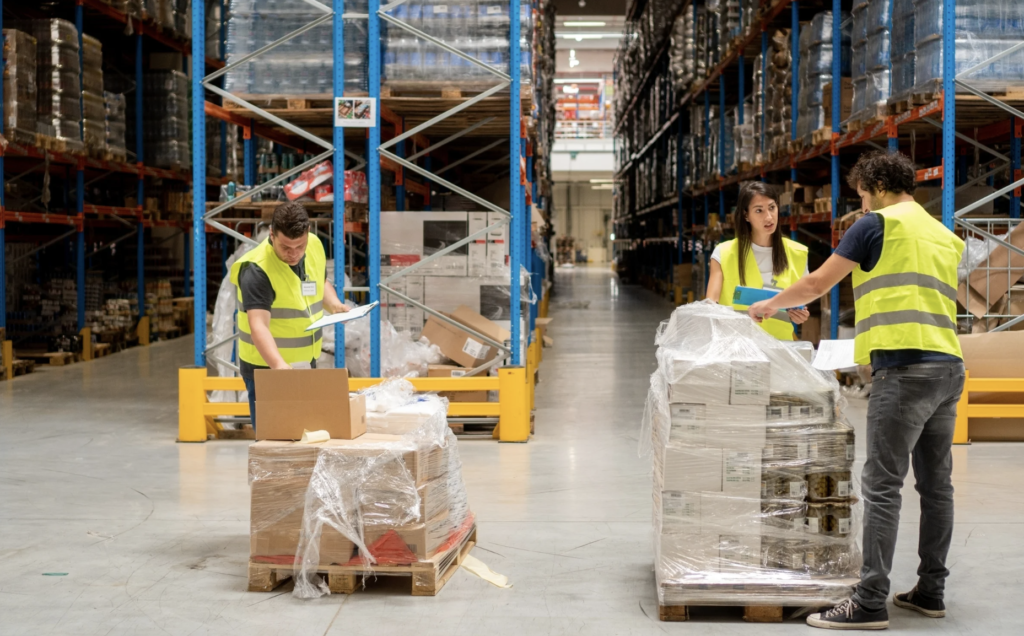
Before we move a wall or add an office space, we look at how people and products move. In a warehouse, which includes forklift truck routes, loading bays and pallet racking layouts. In production spaces, it includes hygiene zoning, cross-contamination risk and where bottlenecks appear.
Compliance Is A Design Input, Not A Tick Box
Building regulations, fire strategy and access requirements shape the layout. If you treat them as an afterthought, you end up redesigning late and paying twice. We plan compliance from the start, including signage, fire protection and safe pedestrian routes.
Make It Easy To Maintain
A “good” build is one your team can clean, inspect and repair without shutting down. That means thinking about surface finishes, service access panels, durable doors, sensible falls to drains and materials that hold up in real work environments.
What Can Be Included In A Commercial Building Renovation?
When we renovate commercial sites, we often combine multiple upgrades into one coordinated programme, so you get a single project management approach and one clear plan.
Typical renovation projects can include:
- Reconfiguring layouts to create new work environments and safer routes
- Installing partitioning, new office space and welfare areas
- Roofing, insulation and cladding upgrades for energy efficiency
- Drainage improvements and internal process drainage for production
- Electrical and lighting upgrades to suit new equipment and working patterns
- Mezzanine floors to unlock vertical space without expanding the footprint
Choosing The Right Level Of Refurbishment
Warehouse Refurbishment: The Details That Drive Performance
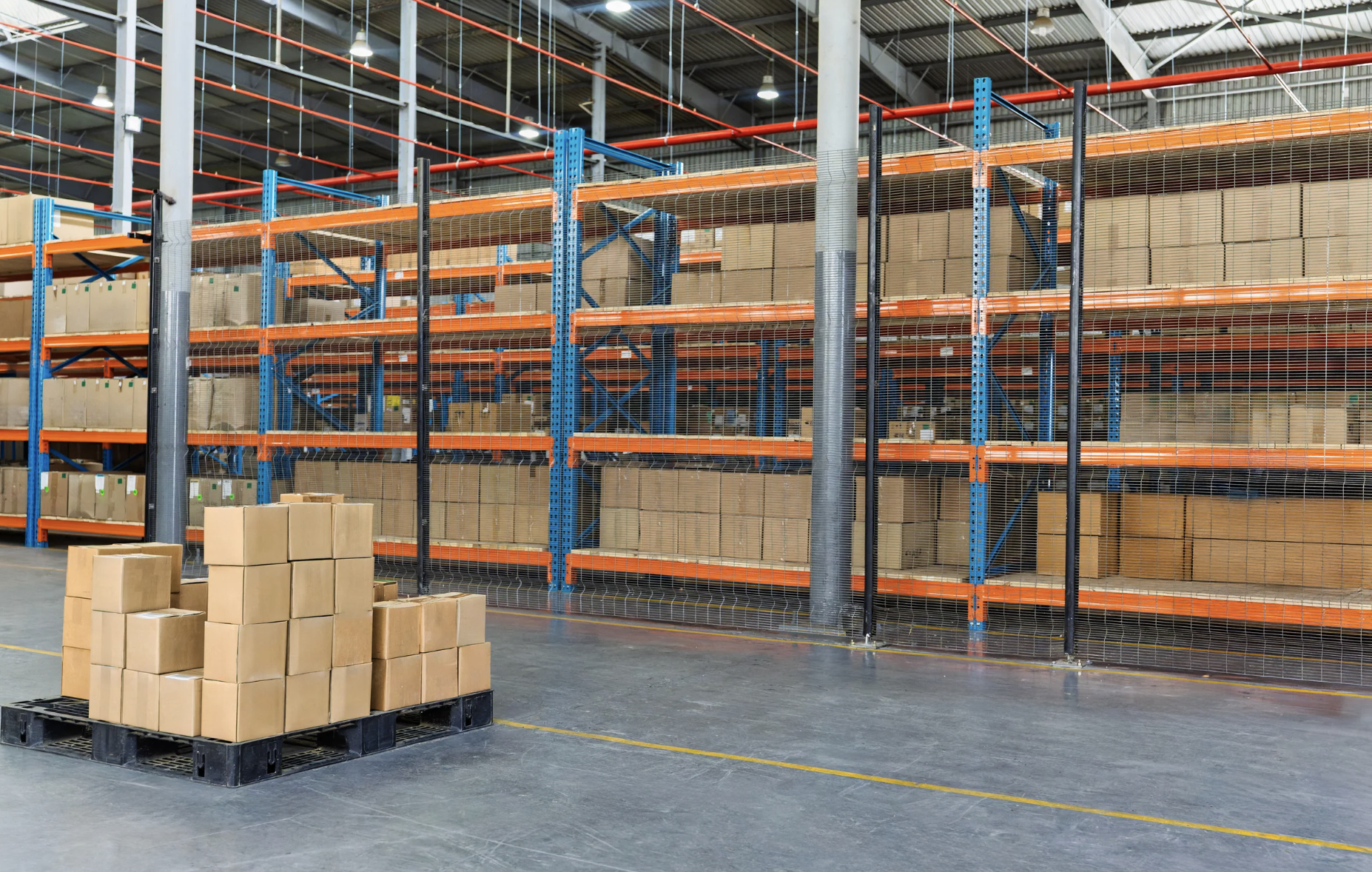
Warehouse refurbishment works best when it is designed around throughput, safety and the supply chain. A warehouse fit out project is rarely just “put in some offices” or “add racking”. It is about making sure the building supports speed, accuracy and compliance.
Common Warehouse Improvements We Deliver
Smarter Layouts Around Real Movement
We plan layouts based on your pick paths, goods-in and dispatch pattern and where congestion happens. That often means relocating doors, resizing aisles, building secure zones and creating clear separation between vehicles and pedestrians.
Better Use Of Space With Mezzanine Floors
Mezzanine floors are a cost effective way to add storage, production or offices without changing premises. The key is getting loadings, access and fire strategy right from day one, so the extra space is useful and compliant.
Fit Out That Supports The Long Term
A warehouse that runs well today should still run well after growth, new product lines or a different tenant. We build flexibility into the design, so future changes do not mean ripping everything out.
What You Should Check Before Committing To A Renovation Or Lease
- Is the electrical capacity suitable for planned equipment and future growth?
- Are drainage routes and falls workable for your process and cleaning regime?
- Does the fire strategy match the proposed layout and occupancy?
- Is there enough clear height for storage systems and safe access equipment?
- Can works be phased to protect operations, deliveries and staff welfare?
How We Deliver Bespoke Renovations At Octego
Our job is to make the process feel controlled, even when the scope is complex. We work closely with your team, set clear priorities and manage the sequencing so trades do not clash and downtime stays low.
- We survey the site and agree what “better” looks like in measurable terms
- We develop a practical plan that respects operations, safety and budgets
- We coordinate trades, lead times and access so progress stays steady day to day
- We quality-check key stages so performance matches the specification
- We hand over cleanly, with guidance on maintenance and next-step improvements
Ready To Upgrade Your Building?
If you are planning a commercial building renovation or Warehouse refurbishment and want a partner who can manage the full picture, speak to Octego – call 01444 405269.
And, if you’d like to see more expert insight, read our recent blog: Drainage Contractors Near Me: Commercial Drainage Systems.
FAQs
What Does Commercial Building Renovation Typically Include For Businesses?
Commercial building renovation usually covers layout changes, upgrades to services and finishes that improve daily operations. That can include new office space, partitioning, roofing and cladding improvements for energy efficiency, lighting and power upgrades, drainage work and compliance improvements around fire safety and access.
How Long Does A Commercial Building Renovation Take?
Timescales depend on size, scope and whether the building stays live. A targeted refurbishment project can be completed quickly, while a full overhaul takes longer due to strip-out, services upgrades and compliance checks. The best approach is a phased programme that protects deliveries, staff welfare and day-to-day productivity.
Can You Renovate A Commercial Building While We Keep Trading?
Yes, most renovation projects can be phased to reduce disruption. This usually means zoning work areas, scheduling noisy or high-impact tasks around operations and keeping safe routes open. Good project management is what makes live-site renovation practical.
What Is The Difference Between Warehouse Refurbishment And A Warehouse Fit Out Project?
Warehouse refurbishment focuses on improving an existing building, such as repairing floors, upgrading services, improving layout and bringing the space up to standard. A warehouse fit out project is more about configuring the operational setup, offices, storage systems, secure areas, mezzanine floors and workflow zoning.
What Upgrades Give The Biggest Impact In Warehouse Refurbishment?
The biggest gains usually come from layout changes that reduce travel time, improved health and safety routes, better lighting, clearer goods-in and dispatch flow, and creating new spaces like offices or secure stock zones. Where relevant, energy efficiency upgrades to roofing or cladding can also lower running costs.
Are Mezzanine Floors A Cost Effective Alternative To Moving Premises?
Often, yes. Mezzanine floors can add storage or office space without extending the building footprint, which makes them a cost effective way to create capacity. They must be designed around loading, access, fire strategy and how your team will use the space day to day.
How Do You Plan A Renovation Around Health And Safety Requirements?
Health and safety is built into the plan from the start, including safe access routes, segregation of pedestrians and vehicles and a clear approach to fire strategy during works. Risk assessments, site controls and sequencing are key on live commercial sites.
How Does Commercial Building Renovation Improve Energy Efficiency?
Energy efficiency improvements typically come from better insulation, upgraded cladding or roofing, improved doors and reduced drafts, plus modern lighting and controls. The benefit is usually a more stable internal environment, lower energy use and a building that is easier to maintain long term.
What Should Landlords Consider Before Renovating A Building For A New Lease?
Focus on compliance, durability and flexibility. A building that is easy to maintain and adaptable for different tenants usually lets faster and stays occupied longer. Practical upgrades include safe access routes, compliant fire strategy, reliable drainage and layouts that can support a range of work environments.
Why Use A Single Contractor For A Commercial Building Renovation?
A single contractor with strong project management reduces delays, avoids gaps between trades and keeps accountability clear. It also helps you phase works properly, protect operations and get a cleaner handover with fewer snags at the end of the refurbishment project.
Updated February 2026