
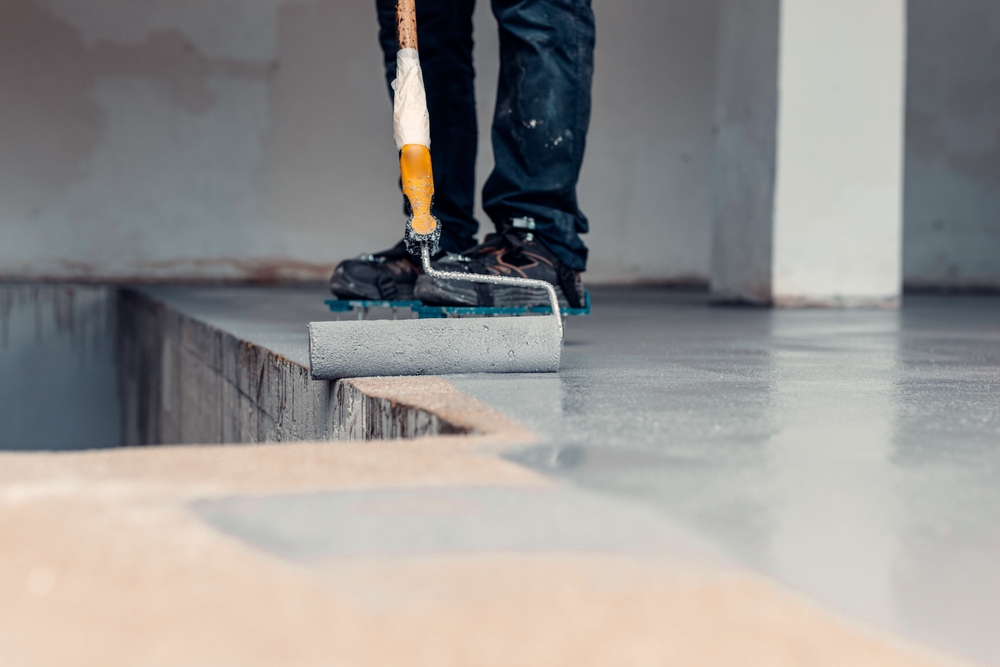
Food factory flooring and a properly specified resin floor can make a major difference to how safe, clean and efficient a production environment feels day to day. In food production, the floor is not just a surface people walk on. It has to deal with cleaning, spillages, equipment movement, temperature changes, heavy use and hygiene expectations, often all within the same working day.
At Octego, we look at flooring as part of the wider operational space. The right floor should support your process, protect your team, reduce maintenance issues and help the building keep up with the way your business actually works.
Quick Summary
Food factory flooring needs to be hygienic, durable, easy to clean and suitable for the specific demands of the production area. Resin floor systems are often used because they can create a smooth, sealed and hard-wearing surface that supports food safety, cleaning routines and day-to-day movement. The best results come from choosing the right specification for the space, rather than treating all food production floors as the same.
Why Food Factory Flooring Needs Careful Thought
Food factories are demanding environments. A floor may need to cope with wet cleaning, dropped ingredients, trolleys, pallet trucks, production equipment, staff movement and constant wear and tear.
A standard commercial floor will not usually be enough. If the wrong surface is installed, problems can start to appear quickly. These may include cracking, lifting, pooling water, slippery areas, damaged joints or dirt building up in places that are difficult to clean.
In food production, those problems can affect hygiene, safety, productivity and confidence in the space.
That is why our expertise starts before anything is installed. We consider how the area is used, what the floor is exposed to and how the finished system needs to perform over time.
What Should Food Factory Flooring Be Designed to Handle?
A high quality flooring solution should be chosen around the working conditions of the site. Every food factory has its own pressures, but most production environments need flooring that can manage:
- Regular cleaning and washdown routines
- Foot traffic, trolley movement and equipment use
- Spillages from food, liquids, oils or ingredients
- Changes in temperature or moisture levels
- Slip risks in wet or busy areas
- Long-term wear and tear from daily operation
The aim is not just to make the floor look smart on day one. It is to create a durable floor that performs properly after months and years of real use.
Cleaning, Traffic and Temperature Changes
Cleaning is one of the biggest factors in food factory flooring. Floors often need to be easy to clean, resistant to frequent washing and suitable for strict hygiene routines.
A resin floor can be a strong choice because it can create a sealed, smooth surface with fewer places for dirt and moisture to collect. Depending on the specification, epoxy resin flooring may be used in areas where durability, chemical resistance and a cleanable finish are important.
Why the Specification Matters Before Installation
Not all resin systems are the same. Some are better suited to dry production areas, while others are designed for wet zones, preparation spaces or heavier-duty industrial use.
The correct specification can influence:
- How well the floor resists impact and abrasion
- How easily the surface can be cleaned
- How slip resistant the area is under working conditions
- How long the floor is likely to perform before needing attention
This is where professional planning matters. The floor has to suit the environment, not just the brochure description.
Resin Floor Options for Food Production Areas
Resin flooring solutions are widely used in food production because they can combine hygiene, strength and practicality. When installed correctly, they can help create a surface that is easy to maintain and suitable for busy commercial spaces.
| Flooring Consideration | Why It Matters in Food Factories |
| Hygiene | Smooth, sealed finishes can help reduce dirt traps and make cleaning easier |
| Durability | The floor must withstand staff, equipment and regular movement |
| Slip resistance | Wet or greasy areas may need an anti slip finish for safer working |
| Maintenance | A suitable resin system can reduce ongoing repair issues |
| Suitability | Different areas may need different levels of protection and performance |
A resin floor is not automatically right just because it is resin. The preparation, system choice and installation quality all matter. Poorly prepared surfaces can lead to failure, even when the material itself is suitable.
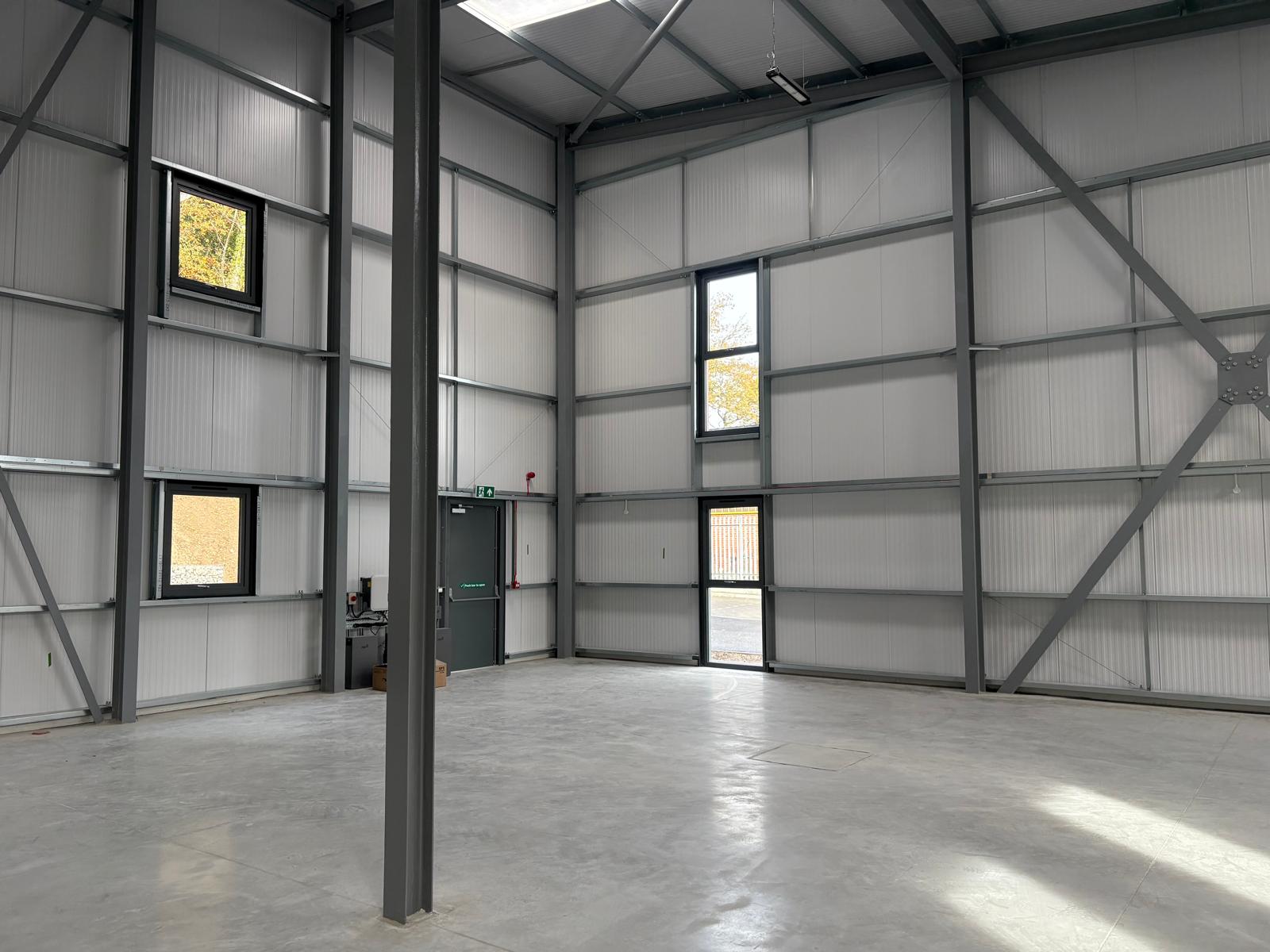
Why Anti Slip Does Not Mean Difficult to Clean
One common concern is whether an anti slip or slip resistant finish will be harder to clean. The honest answer is that it depends on the level of texture, the type of work being carried out and the cleaning regime in place.
A heavily textured surface may improve grip, but it may also need more thorough cleaning. A smoother surface may be easier to clean, but it may not provide enough grip in wet or greasy zones.
The best answer is balance. We help clients think through where slip resistance is genuinely needed and how the surface will be maintained once the space is in use. That way, the flooring supports safety without creating unnecessary cleaning headaches.
How We Approach Food Factory Flooring Projects
Our process is based on understanding the site before recommending a flooring system. We look at the production area, traffic routes, cleaning expectations, drainage, existing substrate and how the space needs to function once the work is complete.
From there, we can advise on practical flooring solutions that suit the building and the business requirements. That might mean a hard-wearing epoxy resin flooring system, a slip resistant finish in specific areas or a more detailed approach where different parts of the factory need different specifications.
The important thing is that the finished floor gives you peace of mind. It should support safe movement, help cleaning teams do their job properly and stand up to the realities of a working food factory.
A Better Floor Starts With the Right Specification
Good food factory flooring is not about choosing the toughest-looking product and hoping for the best. It is about specifying the right surface for the right environment, preparing the area properly and installing a system that can deal with real food production pressures.
With our expertise in commercial and industrial spaces, we help businesses create flooring that is practical, hygienic and built around how the site actually operates. A high quality resin floor can make daily work easier, safer and cleaner, but only when it is chosen and installed with the full environment in mind.
If your food production area is starting to show signs of wear, becoming harder to clean or no longer feels suitable for the way your business works, it may be time to look at what your floor is really doing for you.
If you liked this, you may also like: Brewery Flooring – Hygienic Flooring for Breweries
Frequently Asked Questions About Food Factory Flooring
What is the best flooring for a food factory?
The best food factory flooring is usually a sealed, durable and easy to clean surface that can cope with the specific demands of the production area. Resin floor systems are often used because they can provide a hygienic, hard-wearing and practical finish for busy food production environments.
Is resin flooring suitable for food production areas?
Yes, a resin floor is ideal for food production areas when it is specified and installed correctly. The right system can help create a smooth, sealed surface that supports cleaning routines, hygiene standards and day-to-day movement across the factory.
Why is epoxy resin flooring used in food factories?
Epoxy resin flooring is often used in food factories because it offers strength, durability and a cleanable finish. It can be a good option for areas exposed to regular foot traffic, equipment movement, spillages and cleaning, although the correct specification depends on the site.
Does food factory flooring need to be anti-slip?
In many areas, yes. Food factory flooring often needs some level of anti slip or slip resistant finish, especially in wet, greasy or high-traffic zones. The level of slip resistance should be balanced with cleanability so the floor remains practical to maintain.
How easy is resin flooring to clean?
A properly installed resin floor can be easy to clean because it creates a smooth, sealed surface with fewer dirt traps than many traditional flooring materials. The exact cleaning requirements depend on the resin system, surface texture and type of food production taking place.
How long does food factory flooring last?
The lifespan of food factory flooring depends on the system used, the preparation underneath, the level of traffic, cleaning routines and exposure to wear and tear. A high quality resin floor installed correctly can provide long-term performance in demanding production environments.
Can resin flooring handle heavy equipment?
Yes, resin flooring can be specified to handle heavy equipment, pallet trucks, trolleys and frequent movement. The key is choosing the right system for the load, traffic and working conditions rather than assuming every resin floor performs the same way.
What causes food factory floors to fail?
Food factory floors can fail because of poor preparation, the wrong flooring system, moisture issues, heavy impact, chemical exposure, weak joints or general wear and tear. Careful assessment before installation helps reduce the risk of cracking, lifting or surface breakdown.
Can damaged food factory flooring be repaired?
In many cases, damaged food factory flooring can be repaired, but it depends on the type and extent of the damage. Small local issues may be addressed before they spread, while more serious failures may need a larger refurbishment or a new resin floor system.
How do I choose the right flooring solution for a food factory?
The right flooring solution depends on how the space is used. We would look at cleaning routines, slip risks, drainage, traffic levels, equipment movement, hygiene expectations and the existing substrate before recommending the most suitable food factory flooring system.