
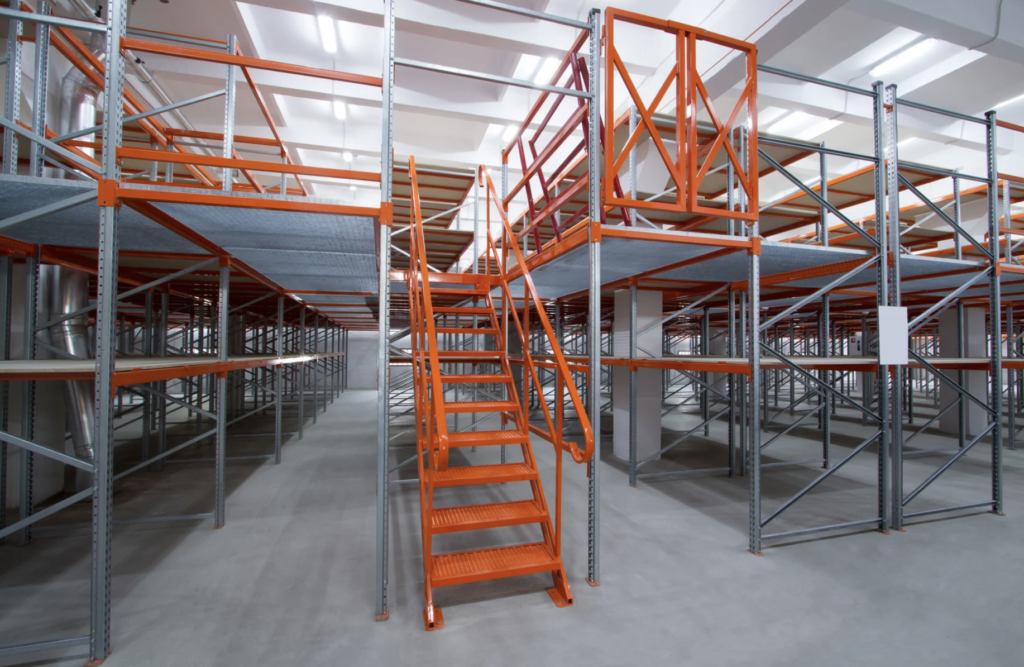
Mezzanine floor installation is one of the quickest wins in warehouse renovation when you need more usable space without moving premises. Done properly, it turns wasted overhead height into productive floor area for additional storage, office space and better day-to-day flow across warehouse spaces.
Key Takeaway
A mezzanine pays back fastest when it is designed around your workflow, loading and fire strategy. The difference between a smart build and a stressful one is usually planning, access and how the new level integrates with your existing operation.
Why Mezzanines Work So Well In Warehouses
Most warehouses are built with height for a reason, yet many businesses only use the ground floor. That unused volume is expensive to heat, light and insure, but it is doing nothing for output. A mezzanine creates new capacity inside your existing footprint, often with less disruption than relocating or extending.
A well-planned mezzanine also changes how a work environment feels. Separating people-heavy areas from noisy or busy zones can improve focus and reduce friction. It can also create cleaner visitor routes, safer staff facilities and meeting spaces away from production.
Use Cases That Add Value Quickly
Mezzanines are flexible, but the best outcomes come from being clear about intent.
Common uses we design and install include:
- Additional storage for slow movers, packaging and spares
- Pick and pack zones that shorten travel time
- Office space with visibility over operations
- Staff rooms and welfare areas away from the main floor
- Meeting rooms that do not compete with warehouse noise
- QA, sampling or admin areas that need separation
- Secure cages for high value stock or tools
If the goal is a smoother warehouse renovation, a mezzanine should remove bottlenecks, not create new ones.
What A Good Mezzanine Specification Looks Like
Mezzanine floor installation is not a “drop it in and hope” job. The structure, access and fire strategy need to match your real use, not an idealised plan.
Key considerations include:
- Loading and usage: pallet loads, shelving, people density and equipment
- Clear heights: headroom below and above, plus lighting and services
- Access: stair positions, handrails and safe pedestrian routes
- Interface with operations: forklift routes, pick faces and goods-in flow
- Future change: whether the system can be extended later
Fire, Access And Compliance
Warehouse mezzanines must adhere to strict health and safety requirements. In practical terms, that means getting the escape routes, guarding and stair arrangement right, then aligning the design to your occupancy and risk profile. Fire considerations are not a late add-on, they shape where the mezzanine can go and how it can be used.
Stairs, Gates And Safe Movement
Access design is where many mezzanines succeed or fail. Stairs need to land where people actually walk, not where they fit on a drawing. If you are moving goods between levels, pallet gates and edge protection need to be positioned around workflow, so teams are not forced into awkward, unsafe handling.
How We Deliver Mezzanine Floor Installation With Minimal Disruption
We design and install mezzanines around how your site runs, then plan the programme to protect operations. Our floor installers and project team can supply and install as part of a wider refurbishment, or as a standalone package.
A typical delivery looks like this:
- Site Survey And Brief: we confirm goals, constraints and loading requirements
- Design And Layout: we set out the footprint, access points and integration with routes
- Compliance Planning: we align the design with fire, access and safety requirements
- Manufacture And Logistics: we programme deliveries to suit site access and storage
- Installation: we install the structure, deck and guarding with clear work zones
- Sign-Off And Handover: we walk the space with you and close out any snags
This approach keeps the warehouse fit out project controlled, even when the building stays live.

Who Benefits Most From A Mezzanine?
A mezzanine is not only for warehousing. It is a strong option wherever ceiling height is available and space is tight.
| Business Type | Typical Mezzanine Use | Practical Benefit |
| Warehouses And Distribution | Additional storage, pick areas, secure zones | Better flow and more capacity |
| Factory Warehouse Sites | Offices, QA areas, parts storage | Cleaner separation of tasks |
| Retail Back-Of-House | Stockrooms, staff facilities, office space | More selling space below |
| Multi-Site Operators | Repeatable layouts across locations | Consistent standards and rollouts |
Why Choose Octego
Octego installs mezzanine floors across Sussex and the South East as part of commercial and industrial refurbishment and fit-out projects. With over 40 years of experience, we can act as main contractors and project managers, keeping your programme practical and your delivery organised.
You will get a team that works with your budget, your timelines and how your business operates, then builds a solution that supports the long term rather than the next six months.
Speak To The Team
If you are planning mezzanine floor installation as part of a warehouse renovation, contact us today to discuss your space and what you want it to do next.
Looking for more great insight? Check out our latest blog: Industrial Cladding Contractors – Cladding Installation.
FAQs
What Is Mezzanine Floor Installation In A Warehouse?
Mezzanine floor installation is the process of adding a raised structural level inside an existing building, typically to create usable space for additional storage, offices or operational zones. In warehouses, it is often used to increase capacity without moving premises.
How Does A Mezzanine Help With Warehouse Renovation?
A mezzanine supports warehouse renovation by turning unused height into practical floor area. It can improve workflow, reduce congestion and create dedicated zones for picking, packing, admin or storage, helping the building perform better day to day.
How Long Does Mezzanine Floor Installation Take?
Timescales depend on size, access and complexity, but many mezzanine installs can be completed in phases to minimise disruption. A site survey and clear design brief help confirm realistic timelines before work begins.
Do Mezzanine Floors Need Building Control Or Compliance Checks?
Often, yes. Mezzanines can affect fire strategy, escape routes and loading requirements, so compliance planning is important. A professional installer will design around safety standards and confirm what approvals are needed for your specific site.
What Loads Can A Warehouse Mezzanine Floor Support?
Load capacity depends on the design, intended use and the existing building structure. Mezzanines can be engineered for light storage, office space or heavier operational loads, and the specification should match how you will use the new level.
Where Should Stairs And Access Points Be Positioned?
Stairs and access points should be positioned around real traffic routes, not just available wall space. Good placement supports safe movement, avoids bottlenecks and makes day to day operations smoother for staff and visitors.
Can You Install A Mezzanine While The Warehouse Stays Operational?
Yes, in many cases. Installation can be sequenced with safe work zones and controlled access so operations can continue where possible. This depends on site constraints, safety requirements and the level of disruption your process can tolerate.
What Are The Most Common Uses For A Mezzanine In Warehouse Spaces?
Common uses include additional storage, pick and pack areas, office space, welfare rooms and secure cages. The best option depends on your workflow, stock profile and future growth plans.
What Makes A Mezzanine Cost Effective Compared With Moving Premises?
A mezzanine increases usable space within your existing footprint, which can be far cheaper than relocating or extending. It also avoids downtime linked to moving sites and can be designed to support future expansion as your operation grows.
Why Choose Octego For Mezzanine Floor Installation?
Octego supplies and installs mezzanine floors as part of wider commercial and industrial refurbishments. We plan around your workflow, safety requirements and programme, delivering practical solutions that improve how the building runs long term.
Updated March 2026