
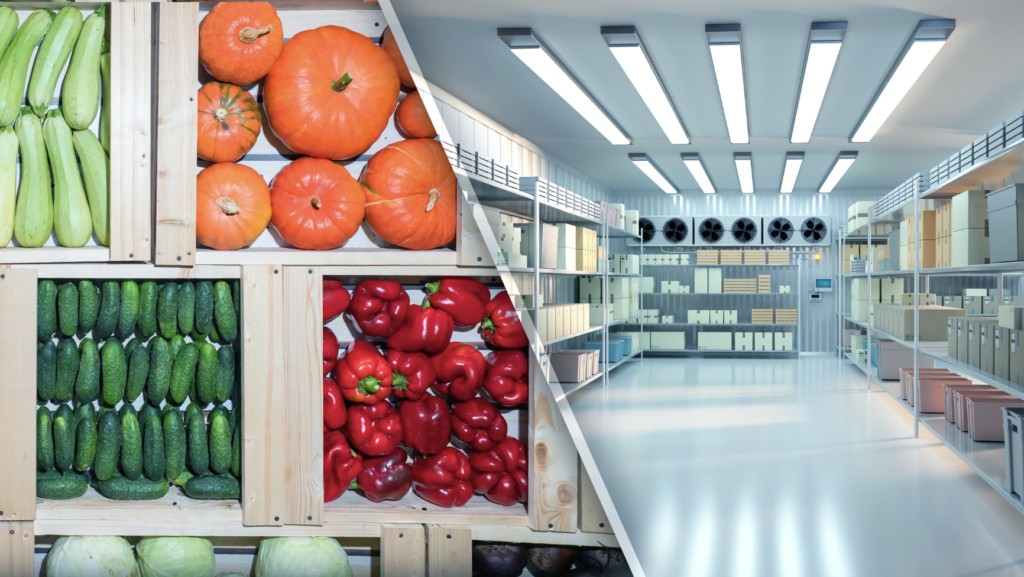
If your business depends on keeping products at precise temperatures, understanding walk in cold room specifications (including cold room door specification) is crucial. From food production and pharmaceuticals to retail and hospitality, the right set-up is what separates efficiency from risk.
Key Takeaway
For any business reliant on controlled temperatures, walk in cold rooms must be designed with the right insulation, temperature control, layout and doors. At Octego, we tailor every installation to suit your operation’s needs, ensuring energy efficiency, compliance and long-term performance, all managed by our expert team.
What Do Walk In Cold Room Specifications Include?
At a basic level, walk in cold room specifications refer to the technical standards that define how a cold room performs. This includes everything from temperature range and insulation thickness, to flooring type, refrigeration systems and hygienic finishes.
Every industry will have slightly different needs. A brewery might need consistent ambient conditions for hops and kegs. A food prep unit might require temperatures between 0°C and 5°C for perishables, while a walk in freezer might maintain negative temperatures for long-term storage.
At Octego, we don’t offer one-size-fits-all solutions. Our cold rooms are always designed for their exact purpose, whether that’s handling perishable goods at scale or storing pharmaceuticals at highly regulated internal temperatures.
The Role of Temperature Control
Every walk in cold room lives or dies by its temperature control. Your refrigeration system needs to not only reach the right temperature but maintain it consistently, even when doors are opened regularly or when stock levels fluctuate.
We fit reliable temperature control systems with programmable logic controllers, fan settings and alerts. These ensure internal air remains stable, not just at floor level, but across the whole space. This is crucial when you’re storing items that can degrade from just a few degrees’ difference.
We’ll assess your storage volume, usage patterns and operating hours before recommending the right cold storage room configuration. If needed, we can integrate blast freezers, walk in fridges, or modular cold stores that meet compliance standards and boost day-to-day efficiency.
Cold Room Door Specification: What You Need to Know
The door is often the weakest point in any cold room and a key cause of energy loss. That’s why your cold room door specification matters just as much as the panels or refrigeration plant.
We supply and install hinged cold room doors and sliding doors, depending on the size of your cold room and how you use it. Here’s what makes the difference:
Thermal Insulation
Our doors are built with high-density insulation, matched to the cold room wall thickness. This prevents cold air from escaping and avoids condensation that can lead to mould or water damage.
Seals and Gaskets
Airtight gaskets and heated doorframes are essential in walk in freezer environments where negative temperatures risk freezing the door shut. We make sure all seals withstand regular open and close cycles without wear.
Durability and Hygiene
Stainless steel finishes are ideal for both hygiene and resilience. We use doors that are easy to wipe down and resistant to corrosion, perfect for cold rooms, including food.
Safety and Compliance
All doors come with emergency release mechanisms, and we only install doors that meet the latest health and safety requirements. Safety is our standard.
How We Design Walk In Cold Rooms to Meet Spec
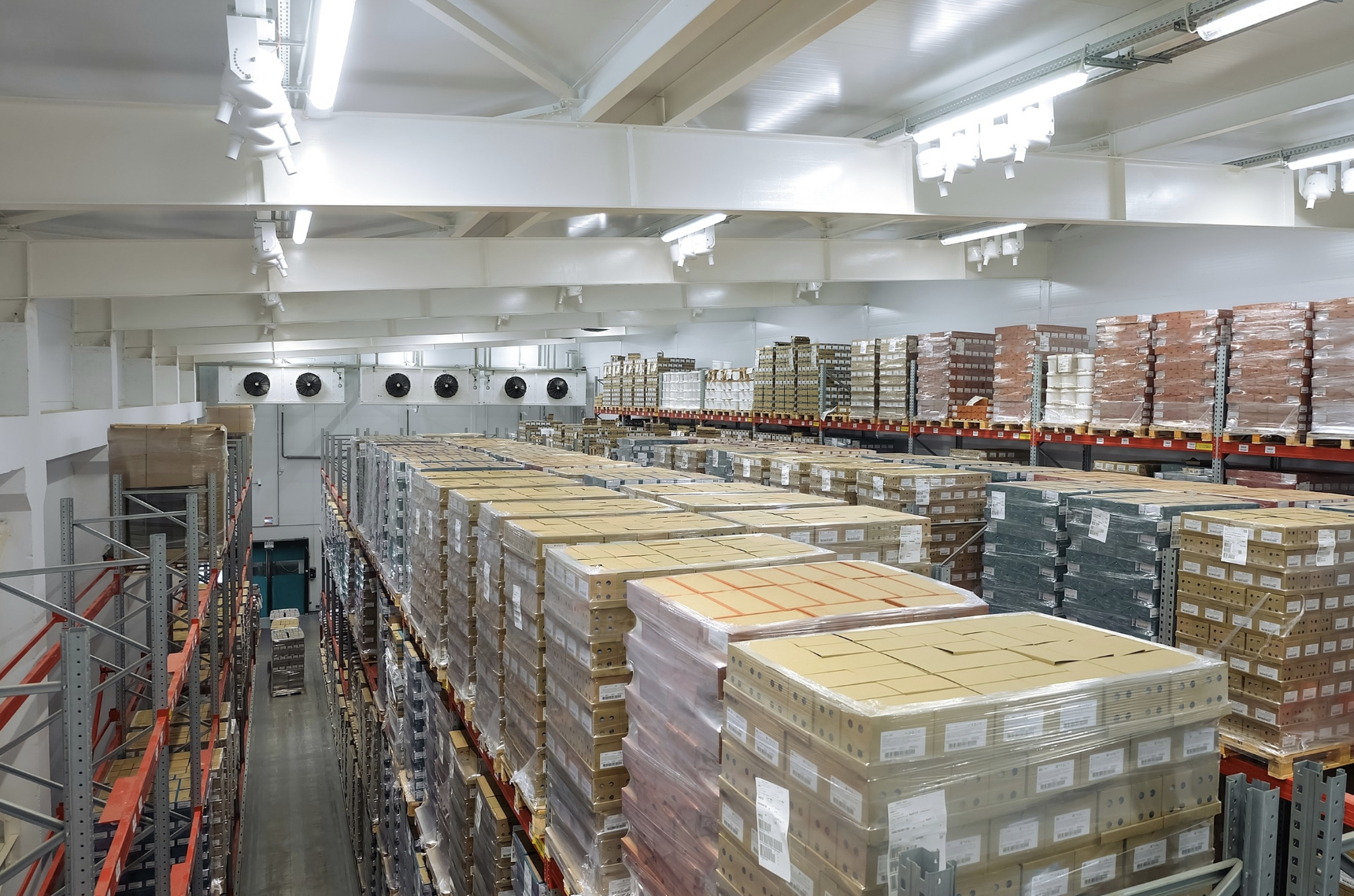
The build of cold rooms is just the start; we manage the entire process. From the initial site visit to assessing your temperature range, floor load, and layout, our team works with you to identify what your cold room really needs. Then we make it happen, on time, on budget, and with total clarity.
| Specification | Standard Feature | Why It Matters |
| Insulation Thickness | 80mm – 150mm | Improves energy efficiency and temperature control |
| Temperature Range | +5°C to -25°C | Suitable for both chilled and frozen goods |
| Door Type | Hinged or Sliding | Space saving and tailored to access frequency |
| Finish | Stainless Steel or PVC | Hygienic and easy to clean |
| Floor Type | Insulated or Non-Insulated | Depends on site use and load-bearing needs |
Why Octego Is the Right Team for the Job
With over 40 years of experience, Octego are trusted cold room contractors across Sussex and the South East. We’re not just installers, we’re problem-solvers.
Whether you’re expanding operations or replacing an outdated cold room, we offer:
- Full design and installation service
- Custom door and layout options
- Compliance with all health and safety standards
A team that understands refrigeration systems, temperature control and how cold rooms interact with the rest of your building.
We also supply plant, panels, insulation and cold room doors from industry leaders like Eurocold, guaranteeing you a quality finish that lasts.
Ready For Your Cold Room?
When it comes to walk in cold room specifications, details matter. The right layout, materials and door choice aren’t just technical decisions; they impact your energy bills, safety, and the integrity of everything you store.
And when you partner with Octego, you get more than just a contractor. You get a team that cares about your environment as much as you do.
Learn more about our cold room installations on our Cold Room Services page, or call 01444 405269 to speak to our expert team.
Did you enjoy this blog? You should see our latest blog, Cladding Installers and Commercial Builders – Bespoke Workspaces.
FAQs
What Are Standard Walk In Cold Room Specifications?
Walk in cold room specifications typically include temperature control between 0°C and -40°C, insulated panels (often polyurethane or PIR), energy-efficient refrigeration systems, vapour-sealed flooring and a robust, hygienic interior finish. Design may vary based on the use, from food storage to pharmaceutical compliance.
Why Is Cold Room Door Specification Important for Performance?
Cold room door specification directly affects temperature stability and energy efficiency. Choosing the right door type (hinged or sliding), correct insulation thickness, and door heater options helps maintain internal temperature and prevents ice build-up, especially for walk in freezers or high-traffic areas.
Can I Customise My Walk In Cold Room to Fit a Specific Space?
Yes, walk in cold rooms can be custom-designed to fit a wide range of factory layouts or commercial kitchens. Dimensions, shelving, door locations and access points can all be tailored depending on the size of the space and the temperature control requirements.
What’s the Difference Between a Cold Room and a Walk In Freezer?
A cold room typically operates between 0°C and 10°C for chilled storage, while a walk in freezer runs at negative temperatures, often -18°C or lower. Each requires different specifications for insulation, flooring, and refrigeration systems to maintain the required internal temperature.
How Can Cold Room Specifications Improve Energy Efficiency?
Using high-performance insulation, air-tight cold room door seals, LED lighting and efficient refrigeration systems can significantly reduce energy usage. A well-specified cold room minimises temperature fluctuation and helps lower long-term running costs, especially in cold storage room environments with frequent access.
What Materials Are Best for Cold Room Doors?
Stainless steel is one of the most reliable materials for cold room doors due to its durability, hygiene and corrosion resistance. PVC and GRP can also be used, depending on traffic, temperature range and whether it’s for a walk in fridge or freezer.
How Do Hinged Cold Room Doors Perform in High-Use Areas?
Hinged cold room doors are ideal for smaller openings or moderate access, but for high-use or trolley access, sliding or double-action doors may perform better. The specification should reflect the type of traffic and how often the door will open and close.
What Temperature Range Should My Cold Room Maintain?
Most walk in cold rooms operate between 0°C and 5°C for chilled storage, while walk in freezers can go as low as -40°C. The temperature range must match the type of perishable goods being stored, ensuring freshness and food safety compliance.
Can You Retrofit a Cold Room Into an Existing Factory Layout?
Yes, cold storage rooms can be retrofitted into existing commercial buildings. A custom design will consider ceiling height, access points, ventilation and load requirements. Professional cold room contractors ensure seamless integration without disrupting your existing operations.
Why Is It Important to Work With a Specialist Cold Room Contractor?
Expert cold room contractors understand the technical requirements of temperature control, compliance, layout and installation. Choosing the right team ensures your system is energy efficient, long lasting and compliant with food safety or pharmaceutical standards from day one.
Updated December 2025