
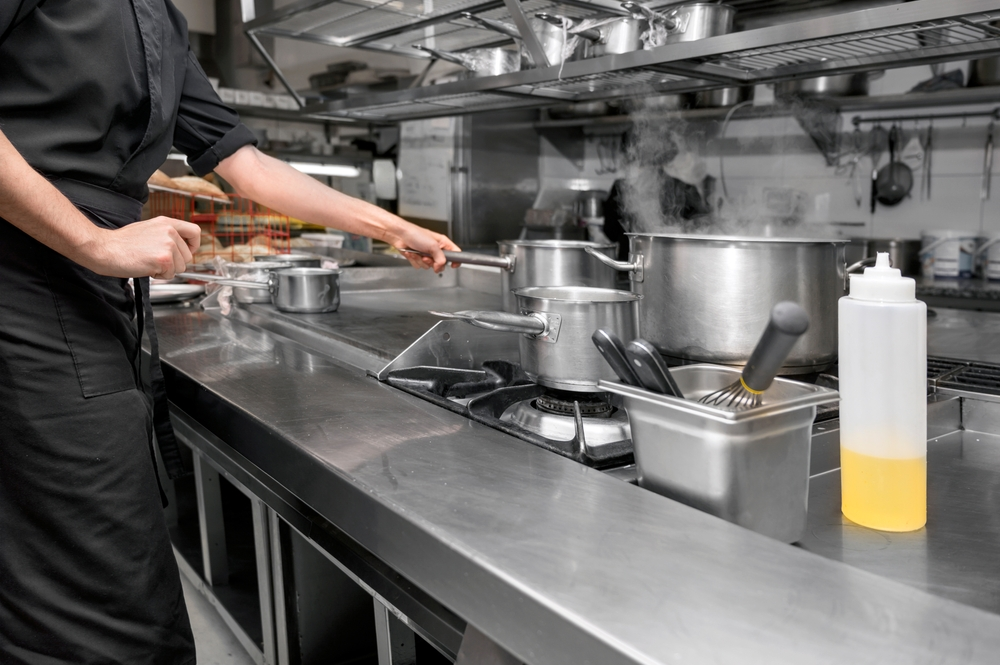
Restaurant refurbishment contractors are often thought of as the people who refresh dining rooms, seating areas and customer-facing spaces. In reality, many of the most important parts of a restaurant refurbishment happen behind the scenes, where food is stored, prepared, cooked, cleaned and moved safely through the building.
For Octego Ltd, this is where our work sits in these sorts of projects. We support restaurants, hospitality businesses and food-led commercial spaces with practical back-of-house refurbishment work, including kitchen fit outs, walk-in fridges, cold rooms, hygienic flooring, wall cladding, ceilings, kitchen appliances and the wider construction details that help a working food environment operate properly.
Quick Summary
Our work focuses on the practical areas that support food preparation, hygiene, storage, refrigeration, appliances, flooring, cladding and compliance. For restaurants planning kitchen upgrades, cold rooms, walk-in fridges or hygienic back-of-house improvements, the right contractor can help create a safer, cleaner and more efficient working environment.
Why Back-of-House Restaurant Refurbishment Matters
A restaurant can only perform well if the areas behind the dining space are set up properly. The kitchen, stores, prep areas, washdown zones, refrigeration and staff working routes all need to be practical, durable and suited to the pace of service.
Back-of-house refurbishment is rarely glamorous, but it has a direct impact on how easily a restaurant can operate. Poor flooring can become difficult to clean. Worn wall surfaces can affect hygiene standards. Limited refrigeration can put pressure on stock control. Badly planned kitchen areas can slow staff down and make daily tasks harder than they need to be.
That is why restaurant refurbishment contractors need to understand more than general building work. In food environments, materials, access, cleaning, safety and durability all matter.
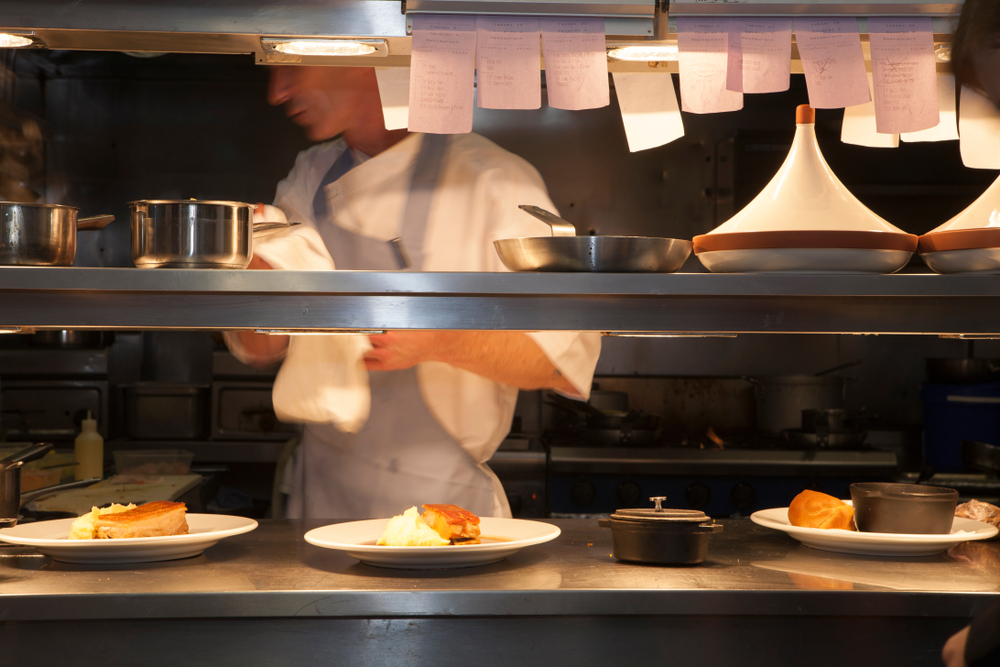
What Back-of-House Restaurant Refurbishment Can Include
We can support a wide range of back-end restaurant refurbishment and fit out requirements. This can include full commercial kitchen fit out work, as well as individual upgrades to specific areas of the building.
| Refurbishment Area | Why It Matters |
| Commercial kitchen fit out | Creates practical working areas for preparation, cooking and cleaning |
| Walk in fridges and cold rooms | Supports food storage, stock control and temperature management |
| Hygienic wall cladding | Helps create easy-clean surfaces in food preparation areas |
| Hygienic flooring | Improves durability, cleaning and safety under daily use |
| Kitchen appliances | Supports the working requirements of the kitchen team |
| Ceilings and wall finishes | Helps create a suitable environment for hygiene-led spaces |
| Project coordination | Keeps trades, materials and installation stages properly managed |
This type of refurbishment is about function first. The finished result still needs to look clean, professional and well built, but the priority is making sure the space works properly under real operating conditions.
How Restaurant Refurbishment Contractors Improve Kitchen Areas
A commercial kitchen needs to handle heat, moisture, foot traffic, cleaning, equipment, deliveries and constant movement. It also needs to be practical for the people working in it every day.
A well-planned kitchen refurbishment can help improve:
- Preparation space
- Access to appliances and equipment
- Cleaning and washdown routines
- Food storage and refrigeration
- Staff movement between key work areas
- Hygiene standards
- Long-term durability
The best results usually come from looking at how the kitchen is used first, then planning the refurbishment around those working patterns. This helps avoid wasted space, awkward access and materials that are unsuitable for the environment.
Cold Rooms, Walk in Fridges and Food Storage
Refrigeration is one of the most important parts of many restaurant refurbishment projects. Walk-in fridges and cold rooms can give restaurants better storage capacity, clearer stock organisation and more practical access to chilled or frozen goods.
For busy kitchens, this can make a noticeable difference. Staff need to access ingredients quickly, safely and without disrupting preparation or service. A cold room should be positioned and specified with real kitchen use in mind, rather than treated as an afterthought.
Planning Refrigeration Around Daily Use
Access, Cleaning and Stock Movement
Cold rooms and walk-in fridges need to work around deliveries, food preparation, kitchen routes and cleaning routines. Door positions, flooring, wall finishes and nearby access routes can all affect how useful the space is once the restaurant is operating.
This is where joined-up refurbishment planning is valuable. Refrigeration, flooring, cladding and appliances should be considered together, because each element affects the next.
Hygienic Flooring and Wall Cladding
Restaurant kitchens and food preparation areas need finishes that can cope with heavy use. Standard decorative materials are rarely suitable for the back-of-house areas of a food business.
Hygienic flooring and wall cladding help create surfaces that are easier to clean, more resistant to daily wear and better suited to food environments. They can also help reduce maintenance issues by replacing tired, damaged or unsuitable finishes with materials designed for the job.
Common priorities include:
- Easy-clean surfaces
- Moisture resistance
- Durability under regular foot traffic
- Suitable finishes around prep and washdown areas
- Reduced cracks, gaps and hard-to-clean edges
- Practical detailing around corners, walls and equipment
When these details are planned properly, the space becomes easier to maintain over the long term.
Kitchen Appliances and Practical Fit Out Work
A restaurant refurbishment may also involve the installation or coordination of kitchen appliances as part of a wider back-of-house fit out. This can include planning space around equipment, access, finishes, services and the surrounding construction work.
The goal is to create a kitchen environment where equipment, surfaces and working areas fit together sensibly. A commercial kitchen should not feel like separate items have simply been dropped into a room. It should feel planned around how the team needs to work.
Why Project Management Matters
Back-of-house refurbishment often involves several moving parts. Flooring, cladding, ceilings, appliances, refrigeration, access, delivery timings and specialist trades all need to be coordinated properly.
Good project management helps reduce confusion and keep the work moving in the right order. It also gives the client clearer expectations around what is happening, when key stages are taking place and how the site will be handed over.
For restaurants, downtime can be expensive. A realistic programme, clear communication and practical sequencing all help make the refurbishment process easier to manage.
Building Better From the Back
The most effective restaurant refurbishment work is often the parts that customers never see. A better kitchen, stronger refrigeration setup, hygienic surfaces, practical flooring and properly coordinated appliances can all make the building easier to run.
For restaurants planning back-of-house upgrades, we can help deliver practical refurbishment work that supports hygiene, storage, durability, drainage and day-to-day kitchen performance.
If you are looking for restaurant refurbishment contractors to improve the working side of your restaurant, from cold rooms and walk-in fridges to hygienic cladding, flooring and kitchen fit out work, we can help create a space that is built around how your business actually operates.
If you liked this, you may also like: Industrial Cladding Contractors – Cladding Installation
Frequently Asked Questions About Restaurant Refurbishment Contractors
Restaurant refurbishment costs depend on the size of the space, the condition of the building and the level of finish required. Projects involving kitchens, cold rooms, walk in fridges, drainage or major layout changes will usually cost more than a front-of-house refresh.
A small restaurant refurbishment may take a few weeks, while a full restaurant fit out can take longer. The timescale depends on access, trade coordination, materials, equipment installation and whether the restaurant needs to stay partly open.
Some restaurants can stay open during phased refurbishment work, but it depends on safety, access and the type of work involved. Noisy, dusty, structural or kitchen-based work may require planned closures or out-of-hours scheduling.
Ask about their experience with hospitality spaces, project management, disruption planning and back-of-house requirements. It is also worth checking whether they understand hygiene, refrigeration, durable finishes and working around live business pressures.
A restaurant fit out usually prepares a space for use, often from an empty or heavily altered unit. A refurbishment improves an existing restaurant through layout changes, upgraded finishes, repairs or new equipment areas.
Many restaurant refurbishment contractors can coordinate commercial kitchen works as part of the wider project. Specialist elements such as gas, ventilation, electrics and refrigeration should still be handled by suitably qualified trades.
Cold rooms give restaurants better storage capacity for perishable goods and reduce pressure on smaller fridges. They should be planned around deliveries, preparation areas and kitchen workflow so staff can access stock quickly.
A refurbishment can reduce unnecessary movement between storage, prep, cooking, service and cleaning areas. Better layout planning can help staff work faster, avoid bottlenecks and keep busy service periods running more smoothly.
A restaurant should consider refurbishment when the space looks tired, feels inefficient or no longer supports the way the business operates. It may also be useful before rebranding, expanding the menu or improving hygiene standards.