
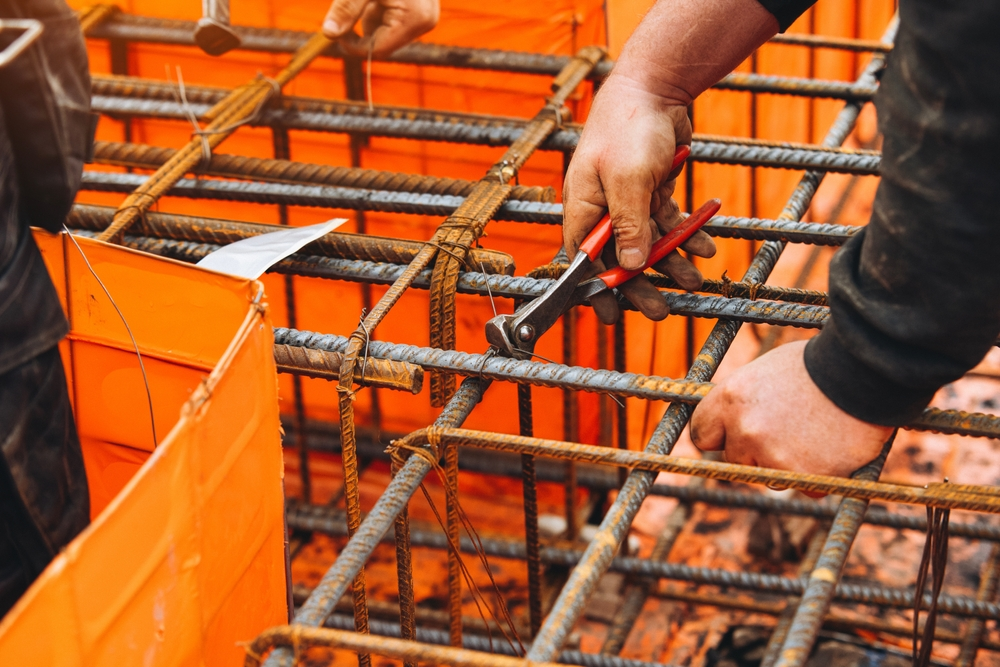
When we take on a commercial or industrial groundworks project, the first job is to understand what the site needs to support once the work is finished. That could mean preparing an area for a new structure, creating drainage runs, forming concrete bases or getting an external yard ready for regular vehicle use.
As a groundworks company, we handle projects across Sussex and the South East, either as a standalone package or as part of a wider refurbishment or construction programme. Some jobs involve a small, localised section of an existing site, while others cover large-scale industrial areas with several stages of excavation, drainage and concrete work.
Quick Summary
A groundworks company prepares a site for the construction and infrastructure that follow. A groundworks contractor may be responsible for site clearance, excavation, levelling, drainage, foundations and footings, concrete areas, roads, driveways and hardstanding.
On commercial sites, these elements often overlap. Levels affect drainage, access routes affect how the site is used, and foundations need to suit both the structure above and the ground conditions below.
What Does a Groundworks Company Do?
The scope depends on the site. We might be brought in before a new industrial building goes up, or asked to open a localised area within an existing premises for new drainage, foundations or services.
Our groundworks services commonly include:
- Site clearance and preparation
- Excavation and levelling
- Commercial drainage
- Foundations and footings
- Concrete slabs and hardstanding
- Road and driveway building
- Car parks, paths and paved areas
- Flood mitigation and runoff solutions
This type of work sits closely alongside civil engineering, particularly where roads, drainage, levels and structural preparation all form part of the same project.
Preparing the Site for What Comes Next
Before new construction can begin, the ground needs to be suitable for the work above it. That may involve removing old materials, reducing or building up levels, excavating trenches, installing drainage or creating suitable bases for structural work.
Why the Early Stages Matter
If levels are wrong, water may not drain properly. If access routes are poorly planned, deliveries and vehicle movements can become awkward later. Foundations and footings also need to be formed to suit the intended load and the conditions below ground.
We look at these elements together because one part of the groundworks can easily affect another.
Where Groundworks Fit Into an Industrial Project
For industrial buildings, the work usually extends beyond the building footprint itself. External access, yards, drainage, services and working areas can all need attention at the same time.
| Area of work | What it may involve |
| Drainage | Pipework, channels, tanks, grease traps, runoff areas and connections |
| Foundations | Excavation and concrete for structural footings and bases |
| External areas | Roads, yards, car parks, paths and loading areas |
| Site preparation | Clearance, excavation, levelling and removal of unsuitable material |
| Concrete | Slabs, hardstanding, equipment bases and working areas |
Drainage is a good example of why the wider site needs to be considered. Surface water needs to be directed and managed properly, and current government guidance on sustainable drainage sets out standards for how runoff should be handled on new developments.
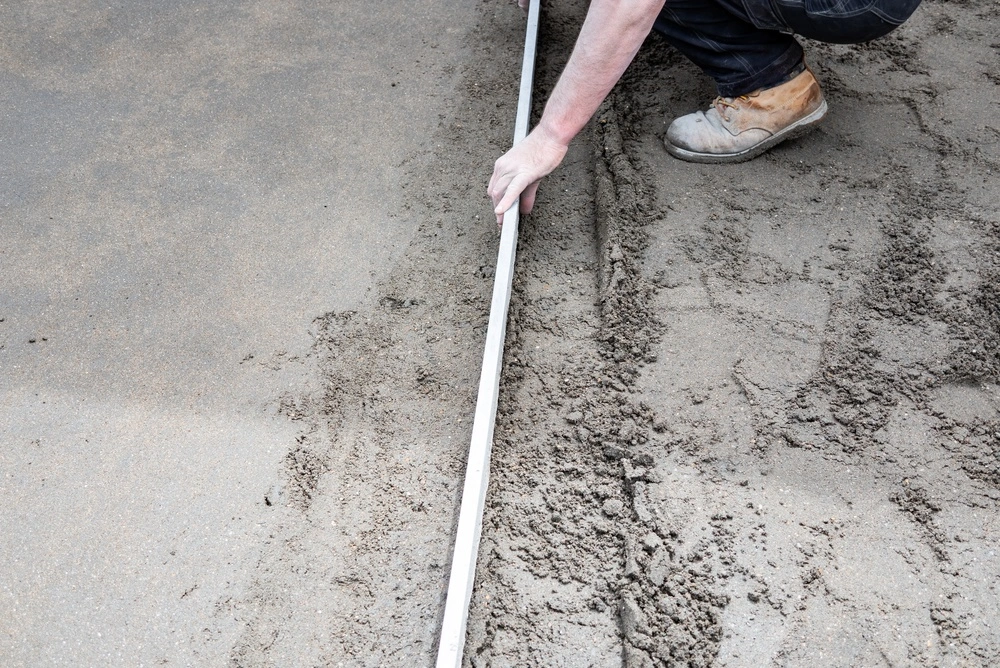
What Happens During a Typical Groundworks Project?
The order varies depending on the job, but a typical process may look like this:
- We assess the site, access, levels and intended use.
- Existing surfaces, obstructions or unwanted materials are cleared where needed.
- We excavate for drainage, foundations, services or changes in level.
- Drainage and other below-ground elements are installed.
- Foundations, footings or concrete areas are formed.
- Levels and surfaces are finished, ready for the next stage.
On live industrial sites, we can also phase the work around production, deliveries or staff access where the site allows it.
Choosing the Right Groundworks Contractor
A groundworks contractor needs suitable plant and strong commercial site experience. Excavation can involve underground services, changing ground conditions and water entering the working area, while poor sequencing can cause problems for the trades coming in afterwards. The HSE guidance on excavations covers many of the risks that need to be managed during this type of work.
It also helps when the contractor understands the wider project. At Octego, our building and maintenance services mean we can remain involved when the groundwork connects with drainage, concrete, fit-out or other construction work. That can make coordination simpler, particularly on projects where several stages depend on each other.
Groundworks for Commercial and Industrial Sites
Whether you are preparing land for a new industrial building, adapting an existing yard or creating foundations for an extension, the groundwork needs to suit how the site will be used once the project is complete.
As a groundworks company, we take on both large-scale and localised projects across Sussex and the South East. From site clearance and excavation through to drainage, concrete and finished access areas, we can manage the practical preparation needed before the next stage of construction begins.
If you liked this, you may also like: Groundworks Contractors: What is Groundworks?
Frequently Asked Questions About Choosing a Groundworks Company
A groundworks company prepares a site for construction and other building work. That can include excavation, drainage, foundations and footings, concrete, site clearance, levelling and access roads.
Ideally, early in the planning stage. Ground levels, drainage routes, access, and foundations can all affect what happens later, so bringing in a groundworks contractor early can help avoid unnecessary changes further down the line.
Yes. Where possible, we can phase work around deliveries, staff access and ongoing operations. The exact approach depends on the layout of the site and the type of work being carried out.
Yes. Some projects involve preparing a large industrial site, while others might only need a localised area excavated for drainage, a concrete base or new foundations.
They often do. Commercial drainage can be a major part of groundworks, including pipework, channels, surface water management and other below-ground systems.
Site clearance can include removing unwanted materials, old surfaces, vegetation, debris or obstructions before excavation or construction begins. The aim is to leave the area ready for the next stage of the project.
Correct levels help with drainage, access, concrete work and the positioning of new structures. If the ground is not prepared properly at the start, it can create problems once the rest of the project is underway.
Yes. Concrete may be needed for equipment bases, structural areas, yards, loading areas or other hardstanding on commercial and industrial sites.
Yes. Road and driveway building can form part of a wider groundworks package, alongside site preparation, drainage and concrete work.
Yes. We carry out commercial and industrial groundworks across Sussex and the wider South East, either as a standalone service or as part of a larger Octego project.