
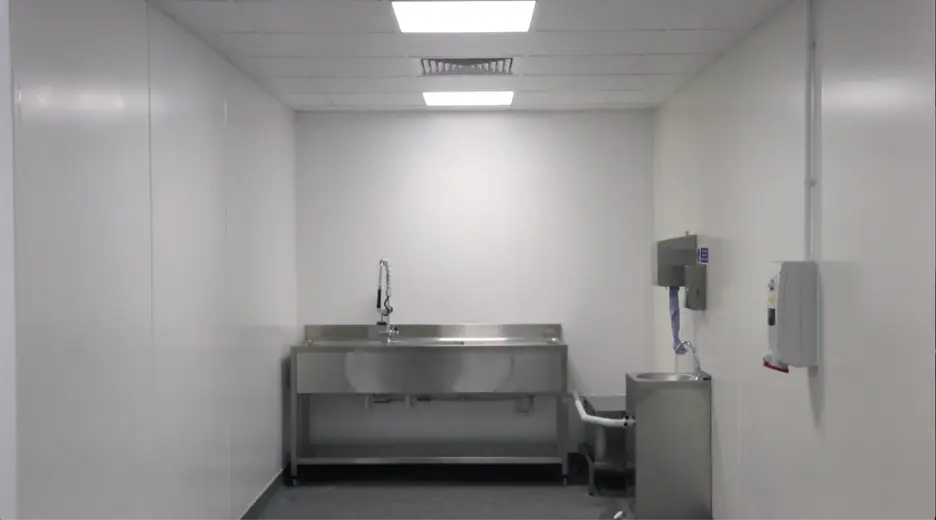
Food factory cladding plays a major role in keeping production spaces clean, safe and suitable for daily food production. In factories where moisture, washdowns, temperature changes and constant movement are part of the working day, walls need to do more than look tidy. They need to protect the building fabric, support food safety and help teams maintain hygiene standards.
Quick Summary
Food factory cladding helps create clean, durable and practical wall surfaces within food production environments. The right system supports hygiene standards, protects walls from impact and moisture, and helps the site maintain a safer environment. For food processing factory cladding, the details matter too, including joints, trims, corners, sealing and installation.
Why Food Factory Cladding Matters in Food Production
Food factories are demanding spaces. Walls may be exposed to steam, splashes, cleaning chemicals, trolleys, equipment and regular washdowns. A painted block wall or poorly finished surface may cope for a while, but over time it can become stained, damaged, flaky or difficult to clean properly.
Wall cladding gives the production area a more suitable protective surface. It can help prevent moisture from getting into the wall structure, reduce places where dirt can collect, and create a more consistent hygienic wall finish.
In the food industry, this is important because maintenance problems rarely stay cosmetic. A cracked wall, failed joint or water-damaged surface can affect cleaning routines, inspections and long-term operational efficiency.
What Food Processing Factory Cladding Needs to Handle
Food processing factory cladding needs to be selected around the actual use of the space. A dry packing area may need different specifications to a wet washdown zone, cold room entrance or high-traffic preparation area.
Key considerations usually include:
- moisture exposure and washdown frequency
- temperature changes around chilled or heated areas
- impact from equipment, cages and pallet trucks
- chemical resistance for cleaning products
- jointing, sealing and corner protection
The best result comes from matching the system to the process, rather than choosing a generic wall finish and hoping it performs.
Where Specification Matters Most
Cladding is only as good as the way it is detailed and installed. Panels, trims, adhesives, fixings, sealants and junctions all need to work together when hygiene and food safety are daily priorities.
Why Joints and Details Need Proper Attention
The most vulnerable parts of a cladded wall are often the edges, corners and junctions. If these areas are poorly sealed, they can become weak points where moisture, dirt or debris can collect. Proper detailing helps the hygienic wall system perform as intended.
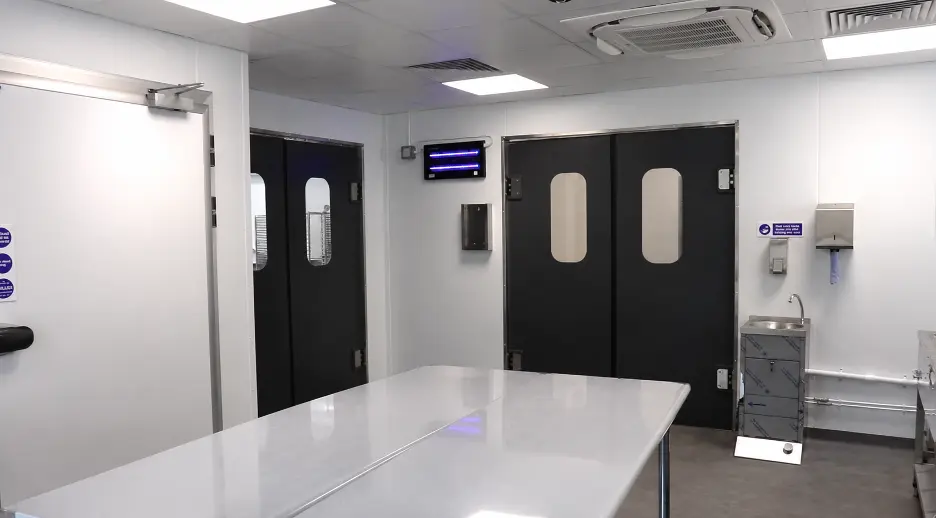
Common Cladding Considerations for Food Factories
| Area of the Factory | What the Cladding Needs to Support | Practical Benefit |
| Preparation areas | Easy cleaning and durable surfaces | Helps maintain food safety routines |
| Washdown areas | Moisture resistance and sealed joints | Reduces water damage risk |
| Cold rooms and chilled spaces | Suitable materials and temperature awareness | Supports long-term performance |
| High-traffic routes | Impact resistance and corner protection | Reduces everyday wall damage |
| Packing areas | Clean, bright and practical finishes | Improves usability and presentation |
How Wall Cladding Supports Hygiene and Safety Standards
A good cladding system should make cleaning easier, not more complicated. Smooth wall surfaces can help reduce staining, limit surface deterioration and support cleaning teams in keeping the space presentable.
That does not mean cladding alone guarantees compliance. Food safety depends on wider processes, staff training, cleaning schedules, equipment design and maintenance. However, wall cladding forms part of the physical environment that supports those standards.
When installed properly, it can help with:
- keeping walls easier to wipe and wash down
- protecting surfaces from splashes and residue
- reducing damage in busy production areas
- supporting a more professional inspection-ready environment
Why Installation Quality Matters
Food factory cladding is not simply a panel supply job. The success of the project depends on survey, planning, preparation, sequencing and installation.
A sensible process usually looks like this:
- Assess the production area and identify practical risks.
- Choose the right cladding system for the environment.
- Plan installation around operations to reduce disruption.
- Prepare surfaces properly before fitting begins.
- Install panels, trims, seals and protection with care.
- Check details before the space returns to full use.
This approach helps avoid problems from rushed refurbishment work and keeps the project aligned with operational needs.
Getting Food Factory Cladding Right From the Start
Food factory cladding should be practical, durable and suitable for the way the space is actually used. The highest standards come from understanding the building, the process and the pressures of daily food production.
It may be time to consider new cladding if walls are becoming harder to clean, showing signs of water damage, cracking, peeling or collecting dirt around joints. Visible damage is often the clearest sign, but cleaning difficulty is just as important.
At Octego, we work across commercial and industrial environments where hygiene, safety standards and operational detail all matter. From production areas and washdown zones to cold rooms, hygienic wall finishes and wider refurbishment work, our focus is on delivering cladding that supports the site from start to finish.
If you liked this, you may also like: Cladding Boards for Clean, Compliant Interiors
Frequently Asked Questions About Food Factory Cladding
The best cladding for a food factory is usually a hygienic, moisture-resistant wall cladding system that can cope with cleaning, impact and daily production use. The right choice depends on whether the area is used for preparation, packing, washdown, storage or chilled production.
In many food production areas, cladding should be highly water-resistant and suitable for regular cleaning or washdown. The most important detail is not just the panel itself, but how the joints, corners, trims and edges are sealed.
Good-quality hygienic wall cladding can last for many years when it is correctly specified, installed and maintained. Lifespan depends on cleaning methods, impact levels, chemical exposure and how busy the production area is.
Yes, cladding can often be installed in an active food factory, but the work needs careful planning. Contractors may need to phase the project around production schedules, cleaning routines and access requirements to reduce disruption.
Food processing factory cladding is designed to create a smoother, easier-to-clean wall surface than many traditional finishes. It still needs correct cleaning products, proper routines and regular checks around seals, corners and junctions.
Wall cladding may need replacing if it is cracked, lifting, stained, water damaged, difficult to clean or failing around joints. Even small defects can become bigger hygiene and maintenance issues if they are ignored.
Hygienic wall cladding can support a cleaner, more inspection-ready production environment. It does not replace food safety procedures, but it helps create surfaces that are easier to maintain and less likely to deteriorate.
Common areas include preparation rooms, washdown zones, packing areas, cold rooms, corridors, production spaces and storage areas. Any area exposed to moisture, food residue, cleaning chemicals or frequent traffic may benefit from hygienic wall cladding.
Common causes include poor installation, unsuitable materials, weak sealing, repeated impact damage and harsh cleaning chemicals. Failed joints and poorly finished corners are often where problems appear first.
Food factory cladding is usually worth the investment when hygiene, cleaning efficiency and long-term durability matter. A properly installed system can reduce maintenance problems, protect the building fabric and help production areas stay easier to manage.