
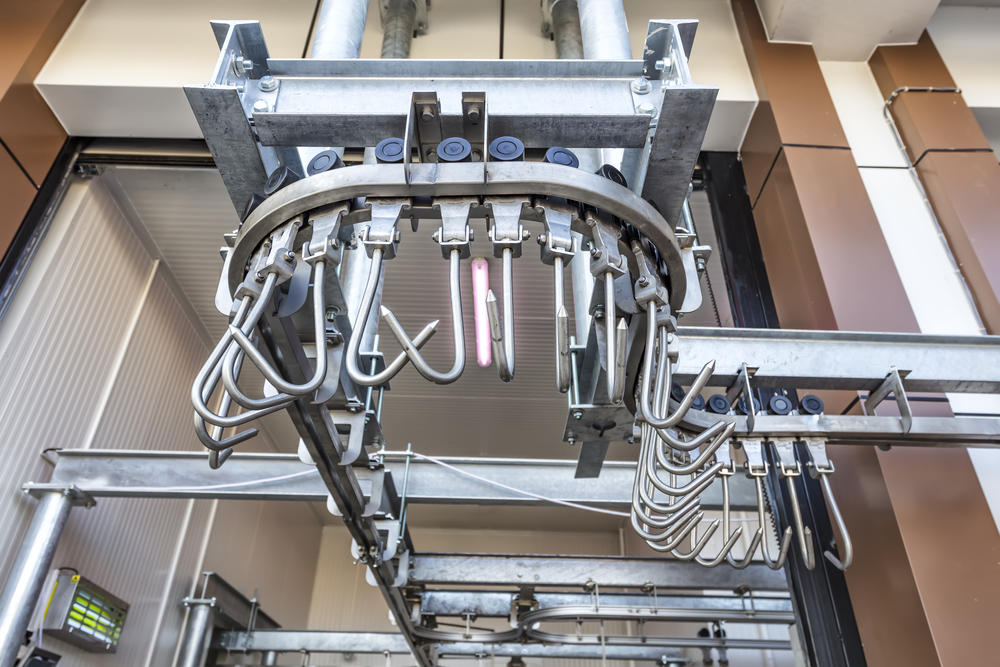
A butcher cold room is not just a bigger fridge tucked into the back of a prep area. In a busy butchery or commercial kitchen, it becomes part of the workflow, the hygiene plan and the day-to-day reliability of the whole operation. That is why we approach cold room projects as full commercial environments, not just refrigeration boxes. We look at layout, access, finishes, temperature control and how your team actually moves, cleans and stores stock during a working day.
Quick Summary
A good commercial cold room for butchery needs more than cooling power. It should suit your meat storage volumes, separate chilled or frozen products properly, support safe cleaning, and fit the way your team works. We design cold storage rooms around storage capacity, hygiene, access and long term reliability, so the space works as hard as the business using it.
Why a Butcher Cold Room Needs More Than Just Temperature Control
In meat preparation and food storage settings, the room itself has to do several jobs at once. It needs to hold stable temperatures, protect product quality, support safe handling and make cleaning straightforward. UK food businesses must keep cold food at 8°C or below, with the Food Standards Agency recommending 5°C or below in practice to allow for temperature fluctuation. For frozen products, guidance points to -18°C for safe frozen storage. In the real world, that means your commercial cold room cannot be judged on refrigeration systems alone. It has to perform properly when doors open regularly, deliveries arrive, and large quantities of stock move in and out.
Octego’s approach suits that reality. We design and install commercial and industrial cold rooms as complete spaces, with consideration for flooring, hygienic wall panels, plant and the wider working environment. That matters in butchery and commercial kitchen settings, where meat storage is only one part of a much bigger operational picture.
What We Look At in a Commercial Cold Room
| Area | Why It Matters | What We Usually Consider |
| Room size and storage capacity | The room must handle daily use and future growth | Boxed stock, hanging meat, shelving, racking and access space |
| Doors and access | Poor access slows work and affects temperatures | Hinged or sliding doors, traffic flow, pallet access and internal safety handles |
| Surfaces and hygiene | Food areas need robust, cleanable finishes | Hygienic wall panels, appropriate flooring and easy-clean details |
| Refrigeration systems | The plant must match actual business requirements | Chilled or frozen use, door frequency, load size and recovery time |
A well-planned butcher cold room should feel practical from the first day. It should not be overbuilt for the sake of it, but it should never be underspecified either. That is where our expertise makes a difference. We look at how the room will be used at peak times, not just what looks acceptable on a drawing.
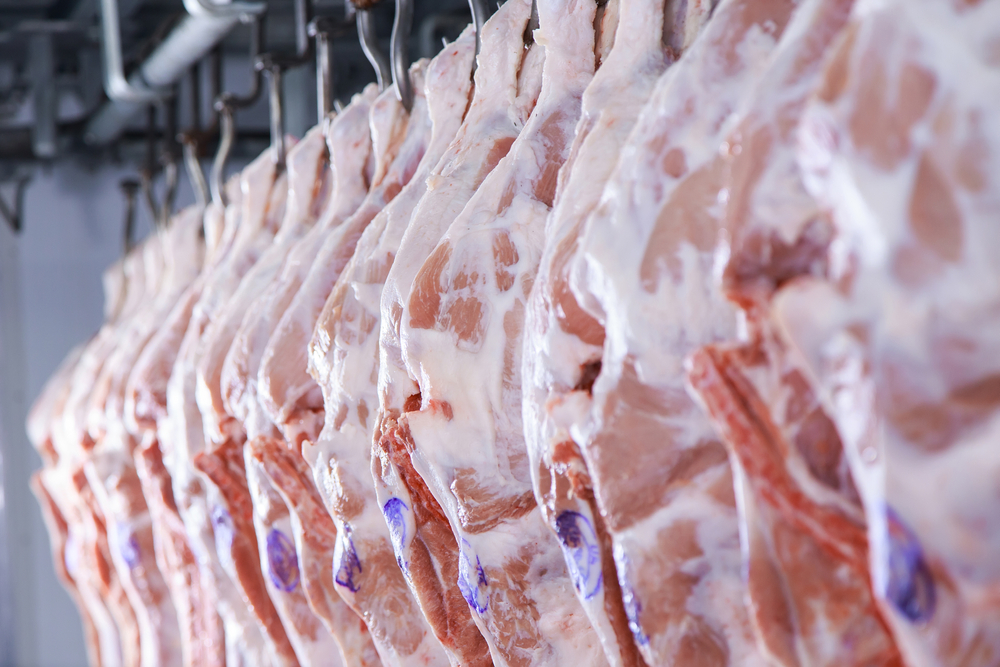
How We Design a Butcher Cold Room Around Real Workflow
When we assess a butchery or commercial kitchen project, we usually work through four core questions:
- What are you storing? Fresh cuts, boxed meat, prepared products and frozen stock all place different demands on a room.
- How much are you storing? Storage capacity should reflect real trading patterns, seasonal peaks and long term growth.
- How often is the room accessed? Frequent traffic changes the demands on doors, layout and temperature recovery.
- How is the room cleaned and maintained? Good food storage design should support hygiene routines, not fight against them.
That process helps us shape cold storage rooms that genuinely fit the site, whether the requirement is a compact walk in fridge for daily prep or a larger freezer room for bulk holding and long term storage.
A strong commercial cold room usually includes:
- sensible zoning for chilled or frozen products
- enough circulation space for safe, efficient handling
- finishes that support hygiene and washdown routines
- doors and hardware chosen for the way the room is actually used
When a Walk in Fridge Is Enough
Not every butcher needs a large freezer room, and not every commercial kitchen needs multiple cold storage rooms. In some cases, a walk in fridge is the right answer for quick stock turnover, short-hold meat storage and efficient daily access. In others, the business requirements call for separate chilled and frozen areas, especially where larger volumes, delivery schedules or product segregation matter. The key is matching the space to the operation rather than forcing the operation to work around the space.
Small Details That Prevent Bigger Problems
This is often where the quality of a project shows. Below-zero environments may need specialist flooring, and freezer doors may require heating elements to prevent icing. Octego also highlights internal emergency handles as standard on cold room doors. Those details are not minor extras. They affect safety, maintenance and how reliably the room performs during busy service or production periods. Slip risks from icy surfaces are a recognised workplace hazard too, so entrance areas and thresholds need proper thought from the start.
Why Commercial Cold Rooms Should Be Planned As Part of the Whole Fit-Out
In butchery and commercial kitchen settings, the cold room should connect properly with the rest of the site. Flooring transitions, wall finishes, drainage, access routes and adjacent prep areas all affect how well the room works. A commercial cold room that is technically cold but awkward to clean, hard to load or poorly integrated into the wider fit-out will quickly become a daily frustration.
That is why we treat a butchery cold room as part of the wider environment. Our expertise is not just in installing refrigeration-ready spaces, but in creating practical, durable rooms that support food businesses properly. When the room is planned around workflow, hygiene and future demand, it becomes an asset rather than a compromise.
If you liked this, you may also like: Cladding Boards for Clean, Compliant Interiors
Frequently Asked Questions About A Butcher Cold Room: What Matters for Storage, Flow and Hygiene
What temperature should a butcher cold room be?
For chilled meat storage, the usual target is within the 0°C to 5°C range, and in England, Wales and Northern Ireland chilled food must be kept at 8°C or below as the legal requirement. If you are storing frozen stock, the usual benchmark is around -18°C.
What is the difference between a butcher cold room and a walk in fridge?
A walk in fridge is a type of cold room, but a butcher cold room is usually planned more specifically around meat storage, hygiene, workflow, shelving, loading and temperature stability. In practice, that often means a more bespoke commercial cold room rather than a standard off-the-shelf unit.
Do I need separate cold rooms for raw meat and ready-to-eat food?
Where possible, yes. Food Standards Agency guidance for butchers says separate fridges, walk-in chills or freezers should be provided for raw and ready-to-eat foods; if they share a space, ready-to-eat food should be kept above raw food in a clearly separate area.
How big should a butcher cold room be?
It should be sized around your actual storage capacity needs, not just the floor area you have spare. The right room takes into account how much meat you hold, whether products are chilled or frozen, how often staff access it, and whether you need space for future growth.
Can one cold room be used for both chilled and frozen storage?
Sometimes, but not always well. If you need both chilled and frozen storage regularly, it is often better to design separate areas or separate rooms so each one can hold the right temperature consistently and suit the products being stored.
When should I upgrade from standard fridges to a walk in fridge?
Usually when standard units are no longer giving you enough storage, organisation or temperature consistency. A walk in fridge makes more sense when you are handling large quantities, need better stock control, or want a cold storage room designed around your business requirements rather than squeezing everything into multiple smaller cabinets.
What features matter most in a butcher cold room?
The key things are reliable refrigeration systems, the right insulation, hygienic finishes, a practical layout, and doors that suit the traffic the room gets. For butcheries and commercial kitchens, flooring, wall panels and access points matter just as much as the cooling plant because they affect hygiene, cleaning and day-to-day use.
How often should a commercial cold room temperature be checked?
At least once a day is the baseline in FSA guidance for chilled storage equipment, usually as part of opening checks. In a busy food environment, many businesses also keep more regular records, especially where compliance and product quality are critical.
What flooring is best for a butcher cold room?
It depends on whether the room is chilled or frozen, how much weight it needs to take, and how wet the surrounding working environment gets. In food settings, the floor needs to be durable, easy to clean and safe underfoot, especially where condensation, washdown or ice could create slip risks.
How long should a butcher cold room last?
A well-designed commercial cold room should be a long term asset, but lifespan depends heavily on build quality, usage, maintenance and whether the original specification matched the site properly. That is why bespoke design, reliable components and planning the room around real operating conditions matter so much from the start.
Updated 28 April 2026