
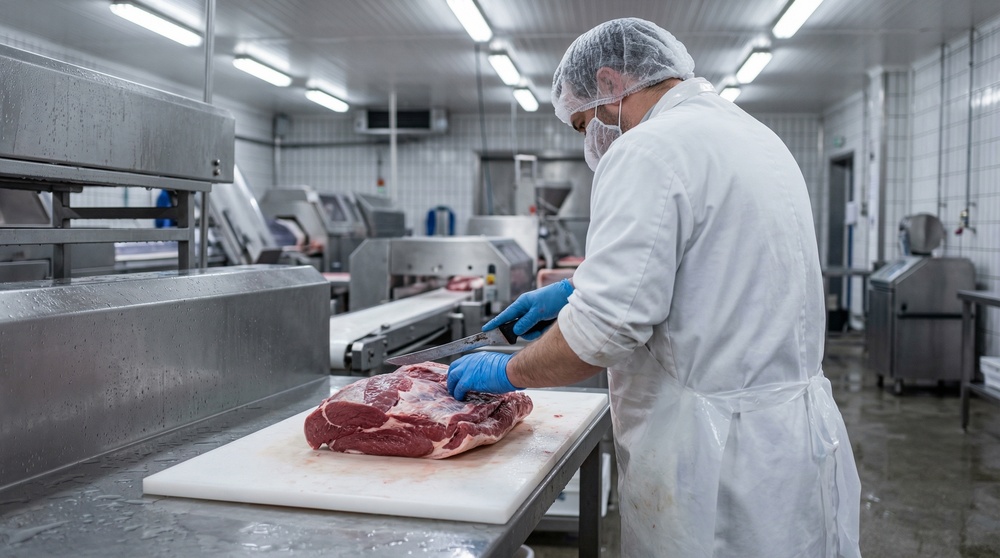
Butcher shop fit outs and warehouse hygiene are not separate issues. In a butchery, the front counter, prep area, chill space and back-of-house handling zones all need to support clean working, safe food handling and efficient daily washdowns from the start.
Quick Summary
A good butchery fit out is built around hygiene first. Floors need to be anti-slip, non-absorbent and easy to clean. Walls need smooth, washable finishes. Drainage, handwashing, equipment cleaning and logical separation between activities all matter. For butcher shop fit outs, getting the build right early helps reduce the risk of contamination, improves the work environment and supports long term quality and safety.
Why Butcher Shop Fit Outs Need Specialist Thinking
A butchery is not a standard retail unit with a few extra hygiene signs on the wall. It is a wet, busy, high-contact environment where staff may be handling raw meat, moving stock, cleaning down equipment and working to strict hygiene standards throughout the day.
That is why the best butcher shop fit outs start with the fabric of the building, not the finishing touches. Floors, walls, doors, drainage and washdown practicality all shape whether the space will work well in the long term. For Octego, this is familiar ground. Their work in hygienic wall cladding, commercial kitchen flooring and demanding wet-process environments is built around exactly those pressures.
What The Space Has To Do Every Day
Floors, Walls And Surfaces
In food preparation areas, floors and walls need to be in good condition, easy to clean and suitable for regular disinfection. In a butchery, that matters even more because moisture, traffic and cleaning routines are part of normal daily use.
Why Material Choice Matters
This is where hygienic wall cladding and specialist flooring matter so much. Hygienic wall cladding creates a smooth, durable surface that is easier to keep clean than finishes with joints, cracks or grout lines. Flooring also needs to do more than just look tidy. It has to cope with regular cleaning products, ongoing footfall, wet conditions and the kind of wear that comes with a hardworking food environment.
In practice, a butchery fit out should help with:
- quicker and more reliable cleaning
- fewer dirt traps and awkward joints
- better resistance to moisture and washdowns
- a safer work environment with less slip risk
- easier maintenance over the long term
These points are not minor details. They directly affect how easy the business is to run day to day and how confidently staff can maintain hygiene standards under pressure.
Where Warehouse Hygiene Fits In
Warehouse hygiene is often overlooked in butcheries. Many operations have a storage or handling zone at the back that behaves more like a warehouse environment than a shop floor. If goods intake, chilled holding, packing or ancillary prep happen there, hygiene cannot stop at the sales counter.
That matters because hazards do not care whether an area is customer-facing or not. If the layout encourages cross-contamination, awkward cleaning access or poor separation between tasks, the whole work environment becomes harder to manage. This is where warehouse hygiene becomes part of the same conversation as butcher shop fit outs.
For that reason, warehouse hygiene in a butchery should cover layout as much as cleaning. Separate flows, durable finishes, practical washdown access and drainage all help reduce the risk of contamination and make daily routines easier to maintain. Octego’s wider experience in flooring, cladding, drainage and refurbishment is valuable here because the answer is usually a joined-up fit out, not one isolated upgrade.
| Area Of The Butchery | Fit Out Priority | Why It Matters |
| Prep Areas | Hygienic wall cladding and washable surfaces | Supports faster cleaning and easier hygiene control |
| Main Floors | Anti-slip, non-absorbent flooring | Improves safety and day-to-day cleanliness |
| Washdown Zones | Drainage and correct falls | Helps manage water and cleaning routines |
| Back-Of-House Storage | Warehouse hygiene planning | Keeps handling and storage standards consistent |
The Best Way To Approach Butchery Fit Outs
The strongest projects usually follow a practical order.
- Assess how raw meat, staff movement, equipment and cleaning routines flow through the unit.
- Specify the right floor, wall and drainage solution for that pattern of use.
- Build the fit out so it supports hygiene standards every day, not just on handover.
This matters because a good butchery fit out should make compliance feel built in. Cleaning should not be difficult because of poor detailing. Safety risks should not increase because the wrong floor has been chosen. Quality and safety should be supported by the environment itself.
There is also a commercial benefit to thinking this way. A better fit out helps create a more dependable space, gives staff a cleaner and safer area to work in, and supports long term performance rather than short term patch-ups. When you are handling raw meat and working in a hygiene-critical setting, that is not overthinking. It is the standard the environment should be built to from the start.
How Octego Can Help
For butcheries, the real value is in creating a space that works properly under daily pressure. That means easier cleaning, stronger hygiene control, lower risk and a better overall warehouse environment behind the scenes as well as on the shop floor. With experience across hygienic wall cladding, specialist flooring and refurbishment in demanding commercial settings, Octego are well placed to help businesses create fit outs that are practical, durable and built around real food-sector needs.
Frequently Asked Questions About Butchery Hygiene
What Are Butcher Shop Fit Outs?
Butcher shop fit outs are specialist refurbishments designed for the day-to-day demands of a butchery. They usually include hygienic wall cladding, suitable flooring, drainage, washable surfaces and a layout that supports safe food handling and easy cleaning.
Why Do Butcheries Need Specialist Fit Outs?
A butchery deals with moisture, regular cleaning, chilled storage, equipment washdowns and the handling of raw meat. A standard retail fit out often does not suit that environment, which is why specialist materials and planning matter.
What Flooring Is Best For A Butchery?
The best flooring for a butchery is usually anti-slip, hard-wearing, easy to clean and suitable for wet conditions. It should also cope well with regular cleaning products and the daily pressure of a busy food preparation space.
Why Is Hygienic Wall Cladding Useful In A Butcher Shop?
Hygienic wall cladding helps create a smooth, durable and easy-clean surface. It can reduce awkward joints and hard-to-clean areas, making it easier to maintain hygiene standards throughout the working day.
What Does Warehouse Hygiene Mean In A Butchery?
Warehouse hygiene refers to keeping back-of-house storage, loading, prep and handling areas clean, practical and safe. In a butchery, hygiene should not stop at the front counter. The full warehouse environment needs to support safe working and contamination control.
How Can A Fit Out Help Reduce The Risk Of Contamination?
A well-planned fit out can help reduce the risk by improving separation between tasks, making surfaces easier to clean, supporting better drainage and creating a more practical work environment for staff handling raw meat.
Do Butcheries Need Drainage Planning?
Yes, drainage is often an important part of a butcher shop fit out, especially in wet working areas. Good drainage helps with washdowns, supports cleaning routines and reduces standing water, which can otherwise create hygiene and safety risks.
What Should Be Included In A Butchery Prep Area?
A butchery prep area should include hygienic surfaces, suitable flooring, easy-clean wall finishes, safe workflow planning and enough room for staff to work efficiently without compromising quality and safety.
How Often Should A Butchery Review Its Working Environment?
A butchery should review its work environment regularly, especially if cleaning is becoming harder, surfaces are starting to deteriorate or the business has outgrown its current setup. Small issues can become long term problems if they are ignored.
Why Is A Long Term Approach Important In Butcher Shop Fit Outs?
A long term approach helps create a space that stays practical, safe and easier to maintain over time. It can improve daily hygiene, support staff, reduce future disruption and protect the overall quality and safety of the business.