

A tired exterior, scuffed internal walls and finishes that need frequent repairs can all make commercial premises harder to maintain. They can also affect how customers, visitors and staff perceive your business. At Octego, our commercial cladding offers a way to improve these surfaces, whether you are refreshing a shopfront, protecting busy internal areas or planning a wider industrial refurbishment. The right choice depends on what your building needs to withstand and how the space is used.
Understanding the different roles of external and internal cladding can help you decide where an investment would make the biggest difference.
Summary:
Commercial cladding can improve appearance, protect surfaces and make maintenance more manageable. External cladding must suit the building and its exposure to the weather, while internal cladding should match the demands of the room. A successful project starts with identifying the problem, choosing an appropriate system and planning the installation properly.
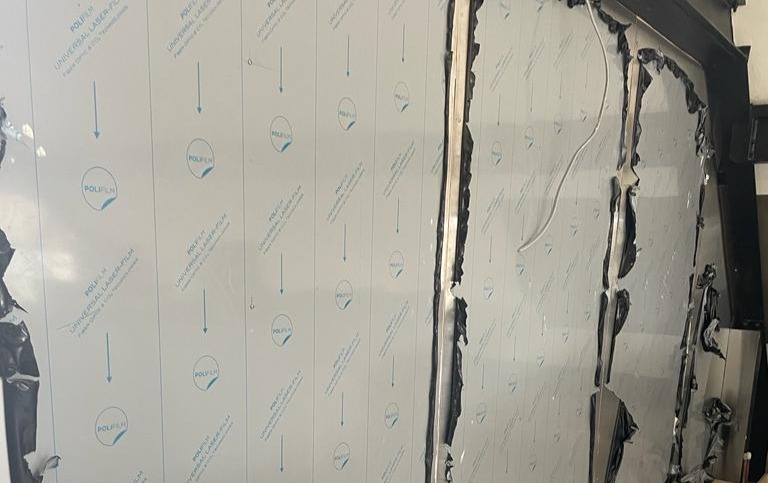
When Is Commercial Cladding Worth Considering?
Cladding is worth exploring when existing wall finishes no longer meet the needs of your premises. Perhaps painted surfaces need constant attention, an exterior looks dated or a change in building use calls for more durable internal finishes.
Before choosing a replacement, consider:
- Which surfaces are deteriorating, and why?
- How much time is spent cleaning, repairing or redecorating them?
- Have working practices changed since the space was fitted out?
- Would a targeted improvement be sufficient?
Cladding should not conceal unresolved defects. Damp, unstable surfaces or damaged building fabric need assessment first, so the new finish has a suitable base and the original problem does not continue behind it.
How External Cladding Can Improve Your Commercial Building
External cladding can give an older commercial property a more consistent, well-maintained appearance. For a retail business, that may mean an entrance that better reflects its brand. For an industrial unit, it could bring different parts of the building together visually.
A suitable cladding system can also help protect the surfaces behind it from weather exposure. Its performance depends on the complete installation, including fixings, joints and detailing around windows, doors and roof edges.
Maintenance deserves consideration from the outset. Ask how the finish should be cleaned, whether it needs periodic treatment and how individual damaged sections would be replaced.
Where thermal improvements are part of the brief, insulation should be considered within the overall wall specification. A new decorative outer finish alone should not be assumed to deliver significant energy savings.
Why Internal Cladding Can Make Premises Easier to Maintain
Internal cladding can provide a more practical finish where ordinary painted walls struggle with everyday use. Busy corridors, staff facilities and work areas may benefit from surfaces selected for frequent cleaning or greater resistance to scuffs and knocks.
In customer-facing spaces, cladding also offers opportunities to introduce texture, colour and a consistent interior style. The most useful choice balances these visual improvements with the demands placed on the surface.
Where hygiene is a priority, hygienic wall cladding provides smooth, cleanable finishes without the grout lines associated with tiles. Correctly detailed joints and edges remain important, alongside an appropriate cleaning routine.
Think about where protection is needed most. Targeting vulnerable walls or particular rooms may deliver better value than specifying the same finish throughout the building.
Choosing the Right Commercial Cladding Materials
Material selection should begin with the intended environment. An attractive interior finish may be unsuitable for an exposed exterior, while a decorative surface may not withstand the cleaning products used in a production area.
Octego’s external and internal cladding service includes options such as wood, stone and PVC, with selection guided by the project’s requirements and budget.
When comparing commercial building cladding, assess more than the initial purchase price:
| Consideration | What to establish |
| Location | Is the product intended for internal or external use? |
| Exposure | Will it encounter rain, moisture, heat or cleaning chemicals? |
| Everyday wear | What level of contact, scuffing or impact is likely? |
| Maintenance | How will it be cleaned, inspected and repaired? |
| Appearance | Does the finish suit the building and business? |
| Overall cost | What preparation, installation and upkeep will be required? |
A lower initial price may offer less value if the finish needs frequent attention. Equally, a specialist specification should have a clear purpose rather than adding unnecessary cost.
How Cladding Requirements Differ Between Commercial Sectors
The same building can contain areas with very different requirements. A customer entrance and a production room should not automatically receive the same specification.
For retail premises, appearance and ease of upkeep may lead the brief, particularly around entrances and customer areas.
Manufacturing businesses may prioritise robust industrial cladding in areas exposed to handling equipment, materials or frequent movement.
Food production environments require attention to cleanability, moisture exposure and detailing around services. The finish must suit the cleaning methods used.
Pharmaceutical premises need a specification based on the particular activity and required environmental standards. A general storage area and a specialist controlled production space can have very different needs.
Starting with these practical demands helps narrow the options before colours and finishes are chosen.

Why Professional Cladding Installation Matters
Even a suitable material can perform poorly when preparation or installation is inadequate. A professional assessment should consider the existing surface, support and fixing requirements, moisture management and how the cladding meets adjoining finishes.
Relevant building and fire safety requirements must also inform the design. External wall fire performance depends on the materials and their arrangement within the system, rather than the visible panel alone. Approved Document B provides fire safety guidance for buildings in England.
For occupied premises, installation planning should address access, deliveries and the possibility of phased work. Coordinating cladding with a warehouse refurbishment can also help avoid completing finishes that later need disturbing.
Discuss Your Commercial Cladding Project With Octego
Octego brings more than 40 years of industry experience and cladding installation knowledge to projects across Sussex and the South East. Our work spans commercial sectors including retail, manufacturing, food and pharmaceutical premises.
Whether you want to refresh an exterior or improve internal surfaces, we can discuss your requirements and help identify suitable options for your budget.
Explore our external and internal cladding services, or contact our team for advice and a tailored quotation for cladding installation in Sussex and the surrounding region.
Call 01444 405269 to discuss your project.
If you liked this, you may also like: Commercial Fit Out Contractors for Warehouses in 2026
Commercial Cladding FAQs
What Is Commercial Cladding?
Commercial cladding is a covering installed over building surfaces to provide a particular finish or performance. Depending on the system and location, it can improve appearance, protect underlying surfaces and make cleaning or maintenance more manageable.
What Is the Difference Between External and Internal Cladding?
External cladding is installed on the outside of a building and must be suitable for its exposure and the building’s requirements. Internal cladding is used inside, where priorities may include appearance, cleanability, moisture resistance or protection from everyday wear.
Can Cladding Be Fitted to an Existing Commercial Building?
Yes, subject to a survey and suitable design. The existing surfaces and supporting construction need assessment before installation. Any underlying defects, including damp or unstable finishes, should be addressed rather than covered over.
Which Cladding Materials Are Suitable for Commercial Premises?
The appropriate material depends on the location, building requirements and intended use. Wood, stone and PVC are among the options discussed by Octego, but suitability must be established for the specific product and application.
Can Internal Cladding Be Easier to Maintain Than Painted Walls?
It can be, particularly where a suitable finish withstands regular cleaning and reduces the need for repainting. Maintenance requirements vary between products, so consider cleaning instructions, likely damage and repair options before choosing a system.
Can External Cladding Improve Insulation?
Some external wall systems incorporate insulation and can contribute to improved thermal performance. The benefit depends on the complete wall construction and installation. Decorative cladding alone should not be treated as a guarantee of reduced heat loss.
What Affects the Cost of Commercial Cladding?
Costs depend on the area covered, chosen materials, condition of existing surfaces, access arrangements and installation complexity. Preparation, detailing and any need to phase work around business operations also affect the quotation.
Can Cladding Installation Be Phased Around Business Operations?
Some projects can be divided into stages to limit disruption. Feasibility depends on the work involved, safe access and how the premises operate. Discuss deliveries, working hours and areas that must remain available when planning the project.
What Building and Fire Safety Requirements Should Be Considered?
The requirements depend on the building and proposed work. Material selection, the complete wall system and installation details must be assessed against the applicable requirements. Fire performance should be considered during design, with appropriate professional advice where needed.
Does Octego Provide Cladding Installation in Sussex?
Yes. Octego provides external and internal cladding services across Sussex and the South East. Contact the team to discuss your premises, intended improvements and the options available for your project.