
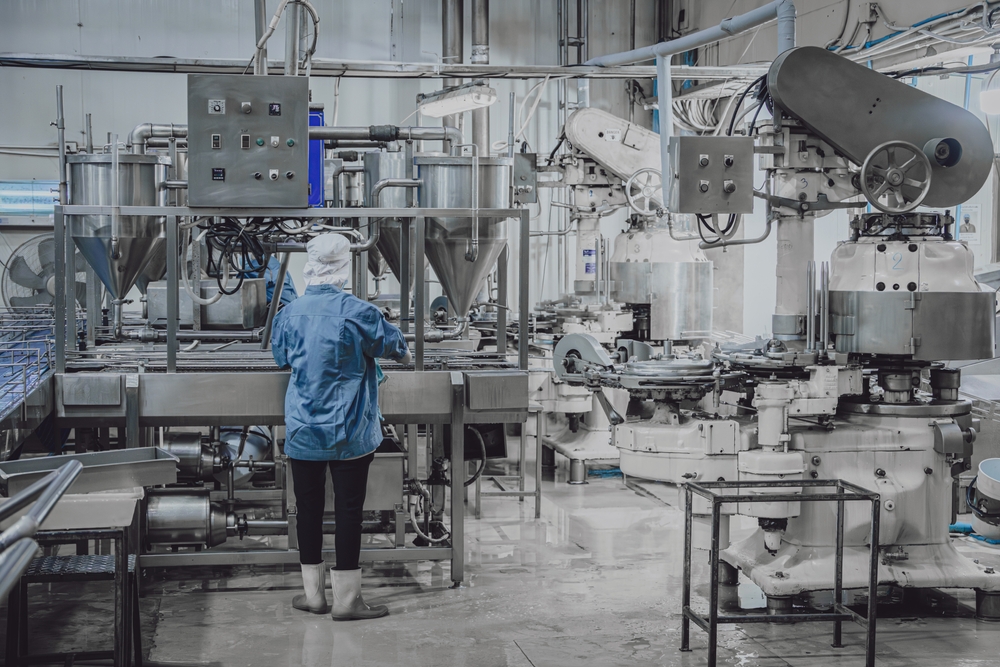
In a food production warehouse, the floor has to endure a lot of hard work. Food grade flooring needs to support hygiene, handle washdown, cope with foot traffic and equipment, and stay practical for the pace of day-to-day operations. Food Standards Agency guidance makes clear that floors in food preparation areas should be sound, easy to clean and, where needed, suitable for disinfection, so the flooring choice quickly becomes an operational decision rather than a cosmetic one.
Quick Summary
We see industrial food grade flooring as an integral part of a food processing warehouse fit out. The right system should be hygienic, durable, easy to clean, appropriate for the level of slip risk, and detailed properly around drainage, wall finishes and workflow. Because we also deliver resin flooring, hygienic cladding, drainage, cold rooms and wider warehouse refurbishment, we can look at the whole picture instead of treating the floor as a stand-alone item.
Why Industrial Food Grade Flooring Matters
A food production warehouse places very different demands on a floor than a standard industrial unit. You may have wet cleaning regimes, frequent spillages, pallet traffic, wheeled equipment, temperature changes and strict expectations around hygiene and maintenance. The Health and Safety Executive (HSE) says slips and trips account for nearly a quarter of food and drink industry injuries reported to it, which tells you how important the floor is to safe day-to-day working.
That is why we never treat flooring as a standalone decorative layer. In food manufacturing and the wider food and drink industry, the floor needs to suit the process, the cleaning routine and the way people actually move through the building. Get that right and you create a safer, easier-to-manage environment. Get it wrong and the floor becomes a constant source of wear, cleaning frustration and disruption.
A good flooring solution in this kind of setting usually needs to cope with:
- regular cleaning and washdown
- slip resistance suited to the contamination risk
- heavy duty traffic from people, trolleys and equipment
- detailing around drains, walls, thresholds and adjoining spaces
Those details matter because the regulations and guidance around food premises focus heavily on surfaces being maintainable, cleanable and suitable for the environment they are used in.
What Does Good Specification Look Like?
Before any product is chosen, we look at how the space is really used. A packing area, a washdown zone, a chilled section and a high-traffic route may all have different specific requirements, even within the same building. That is one reason resin flooring systems are so often used in industrial food settings. They can be designed around the demands of the space rather than forced in as a one-size-fits-all answer.
| Area Type | Main Challenge | What the Floor Needs |
| Processing area | Hygiene and regular cleaning | Hygienic flooring that is easy to clean |
| Washdown zone | Water and slip risk | Safe flooring with the right slip resistance |
| Dispatch or storage route | Traffic and wear | Heavy duty durability |
| Chilled area | Temperature and moisture | A flooring solution suited to cold, damp conditions |
It Starts With the Process, Not the Product
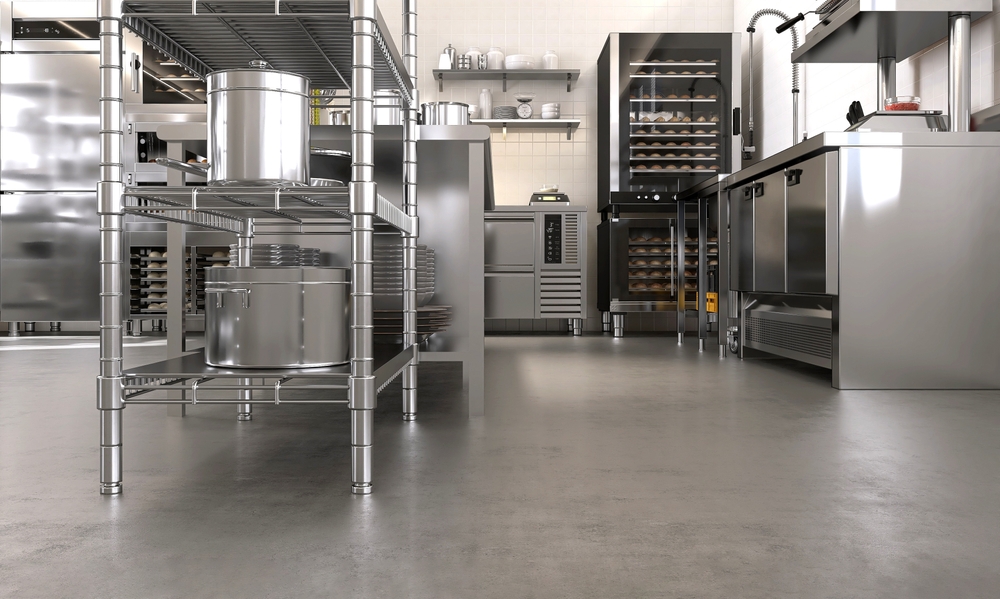
In our experience, the right industrial food grade flooring comes from asking the right questions early on in the process. We need to understand what is being produced, how often the area is cleaned, where water is likely to sit, where traffic is heaviest and how the rest of the unit is built around it. That wider view matters because flooring performs best when it works with drainage, wall finishes and room design rather than against them.
Questions We Ask on Site
- Where are the wettest parts of the operation?
- What loads and traffic will the floor deal with every day?
- Does the current drainage layout support cleaning and runoff properly?
- Are there adjoining cold rooms, hygienic wall systems or refurbishment works that should be planned together?
That joined-up thinking is important in a food production warehouse because the floor rarely fails in isolation. Weak points often sit at junctions, edges, drains and transitions between one environment and the next.
Why a Full-Scope Contractor Makes a Difference
This is where our way of working gives clients an advantage. Octego is not limited to laying the floor and walking away. We have more than 40 years of experience across industrial and commercial construction management, and our services cover commercial flooring, hygienic wall cladding, drainage, cold room installation and warehouse refurbishment. That means we can assess the full environment and spot what the floor needs to succeed long term.
For some clients, that might mean upgrading a worn food safe floor within an existing production space. For others, it could mean integrating new hygienic finishes, rebuilding drainage falls, refurbishing adjoining warehouse areas or coordinating works around production times. Octego’s own site makes clear that we regularly work across food, catering and production environments, and that wider experience is valuable when the project has multiple moving parts.
The Best Floor is the One That Fits the Operation
Industrial food grade flooring is one of those decisions that pays back every day when it is done properly. It helps the site stay cleaner, safer and easier to manage. It supports a high standard of operation and reduces the chance of the floor becoming a recurring headache for the team.
Our approach is simple. We look at the reality of the building, the process and the pressure points first. Then we recommend a flooring solution that suits the space, the workflow and the wider fit-out around it. In food production, that is what gets the best long-term result.
If you found this interesting, you may also like: Warehouse Refurbishment: The Future Buildings Standard
Frequently Asked Questions About Industrial Food Grade Flooring for Demanding Working Environments
What is industrial food grade flooring?
Industrial food grade flooring is a type of flooring designed for environments where food is produced, handled or stored. It is usually chosen for its hygiene, durability, ease of cleaning and ability to cope with the demands of food production, including traffic, spillages and regular washdown.
Why is industrial food grade flooring important in a food production warehouse?
In a food production warehouse, the floor is part of the working environment, not just the finish underfoot. It needs to help maintain hygiene standards, reduce slip risks, stand up to heavy daily use and support cleaning routines without becoming a weak point in the space.
What features should industrial food grade flooring have?
The right floor should be easy to clean, durable, suitable for the level of traffic in the building and appropriate for the conditions of the area. Depending on the site, that may also include slip resistance, chemical resistance, moisture tolerance and detailing that works well with drainage and wall finishes.
Is resin flooring suitable for food manufacturing environments?
Yes, resin flooring systems are often a strong choice for food manufacturing because they can provide a seamless, hygienic and hard-wearing surface. They are commonly used where businesses need a flooring solution that is practical to maintain and capable of handling the demands of production areas.
How do I choose the right flooring solution for a food production warehouse?
The best place to start is with the way the space is used day to day. You need to consider cleaning methods, moisture levels, foot and vehicle traffic, the type of production taking place and any specific requirements around hygiene or safety. A good specification comes from understanding the process first, not just picking a product.
Does industrial food grade flooring need to be slip resistant?
In many cases, yes. Areas exposed to water, spillages or regular cleaning often need a level of slip resistance that suits the risk in that specific zone. The important thing is choosing a safe flooring finish that matches the real conditions of the site rather than assuming one finish will work everywhere.
Is food safe flooring easy to clean?
It should be. One of the main reasons businesses choose industrial food grade flooring is because it helps create a surface that is easier to clean and maintain. That matters in food and drink industry settings where hygiene is a daily operational priority, not an occasional concern.
Can industrial food grade flooring handle heavy duty traffic?
Yes, a properly specified system should be able to cope with heavy duty use such as pallet movement, foot traffic, wheeled equipment and the general wear that comes with a busy production environment. That is why the intended use of the space needs to be considered from the start.
How long does industrial food grade flooring last?
There is no single answer, because lifespan depends on the flooring system, the quality of installation, the level of traffic and how the area is maintained. In a well-planned and properly used environment, a suitable floor can provide long-term performance, but it still needs to be matched to the demands of the building.
Why use Octego for industrial food grade flooring?
We approach industrial food grade flooring as part of the wider working environment. Because we also work on drainage, hygienic cladding, warehouse refurbishment and other industrial fit out elements, we can look at how the floor needs to perform within the whole space. That helps us recommend practical solutions that suit the reality of food production, rather than treating the floor as a stand-alone job.
Updated April 2026