
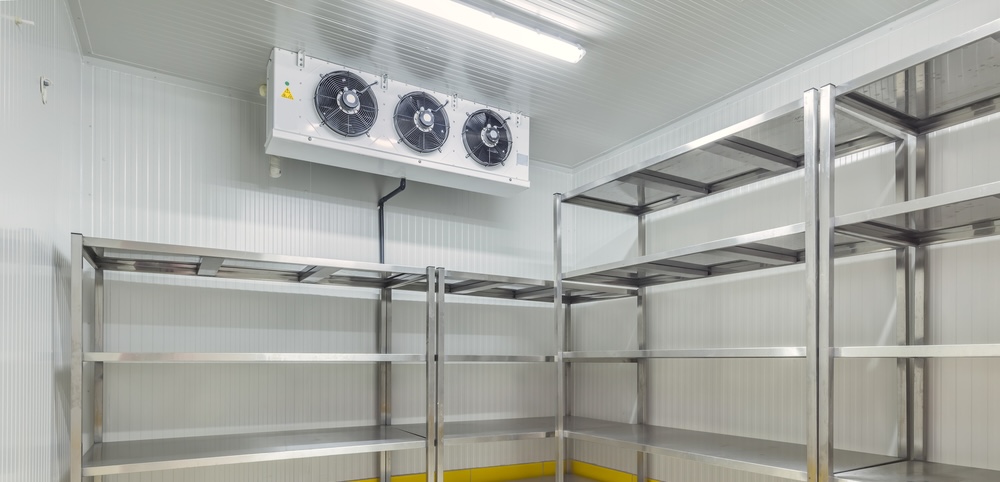
A cold room for restaurant kitchens is no longer just a larger version of a fridge. For busy hospitality environments, it supports kitchen workflow, protects perishable goods and keeps daily service running properly. In this guide, we explain what restaurants should think about before cold room installation, from storage capacity and insulation materials to running costs, layout and long term performance.
Quick Summary
A restaurant cold room should be planned around how the kitchen actually works. The right size, access, shelving, refrigeration system, flooring, drainage and insulation all affect food safety, efficiency and operating costs. A well-designed commercial cold room helps protect ingredients, reduce waste, support stock control and make daily service easier for chefs and kitchen teams.
Why Does a Restaurant Need a Proper Cold Room?
Restaurants handle fresh produce, dairy, meat, seafood, sauces, prepared ingredients and drinks at volume. Standard cabinets can work for small sites, but once a kitchen is handling regular deliveries and a busy service schedule, walk-in fridges become much more practical.
A cold room gives the team better access, clearer organisation and more reliable chilled storage. It also reduces the risk of overfilled upright fridges, which can affect airflow and make temperature control less consistent.
What Should be Considered Before Cold Room Installation?
Good cold room installation starts with the site, not the product. Before we recommend a layout or system, we look at the kitchen’s workflow, delivery schedule, available space, access routes and the type of goods being stored.
A restaurant receiving fresh meat daily will have different needs from a venue storing large quantities of prep, drinks and chilled desserts. The cold room needs to reflect that.
Key considerations include:
- The available footprint and ceiling height
- The volume and type of stock being stored
- How often deliveries arrive
- Access for staff during peak service
- Cleaning requirements and hygiene standards
- Electrical supply, ventilation and drainage
- Future growth and menu changes
The aim is not simply to fit a cold room into a spare corner. The aim is to create a storage space that improves the way the kitchen operates.
How Storage Capacity Affects Daily Kitchen Flow
Storage capacity is one of the biggest decisions. Too small, and the cold room becomes cramped almost immediately. Too large, and the business may pay more than necessary in running costs.
A practical approach is to think about stock rotation, not just maximum volume. Chefs need to access ingredients quickly, see what is available, and manage dates properly.
| Cold Room Feature | Why It Matters For Restaurants |
| Correct sizing | Prevents overcrowding and supports airflow |
| Good shelving | Improves stock rotation and visibility |
| Easy access | Helps staff move quickly during service |
| Washable surfaces | Supports hygiene and easier cleaning |
| Reliable cooling | Protects perishable goods consistently |
| Efficient insulation | Helps manage energy use and running costs |
The Role of Insulation, Doors and Refrigeration
The refrigeration system is the part most people think about first, but the wider build is just as important. Poor insulation, badly sealed doors or an awkward layout can make even a good system work harder than it should.
Why Insulation Materials Matter
High quality insulation materials help the cold room hold temperature more consistently. This reduces the strain on the refrigeration system, supports stable conditions and can help control energy use over the long term.
What This Means For Running Costs
If warm air is entering the room too easily, the system has to compensate. That can increase energy usage, create unnecessary wear and tear, and make temperature control less reliable. A well-specified room is about the cost of operating it every day.
Where Should a Commercial Cold Room Sit in a Restaurant?
The best position depends on the kitchen layout, but the cold room should usually sit close enough to prep areas to be useful without creating bottlenecks. It also needs to be accessible for deliveries, cleaning and maintenance.
We usually consider three practical questions:
- Can deliveries be moved into the cold room safely and efficiently?
- Can chefs access key ingredients without crossing the whole kitchen?
- Can engineers reach the system for servicing without disrupting the business?
The best commercial cold room is one that feels like it belongs in the building, rather than something squeezed in after everything else has been decided.
Hygiene and Long Term Performance
Cold rooms should be designed with hygiene in mind from the start.
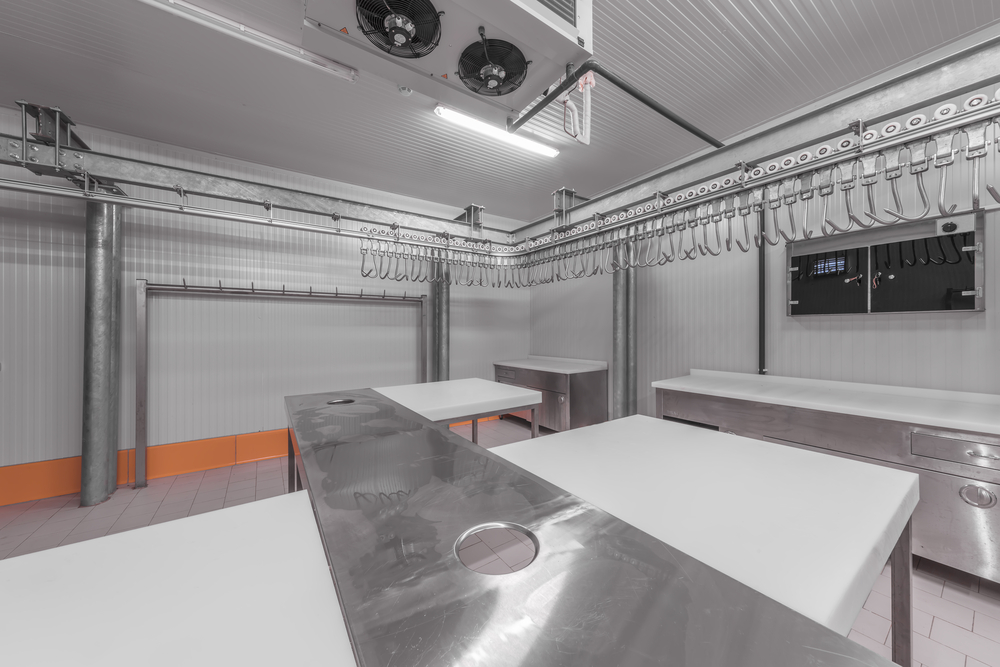
That means considering wall finishes, floor finish, junctions, shelving, drainage and cleaning access. Smooth, durable surfaces make cleaning easier and reduce places where dirt can collect.
A cold room is also a working part of the restaurant, so it should be specified for long term use. The cheapest option is not always the most cost-effective if it leads to poor performance, limited storage, high running costs or constant inconvenience.
Is a Cold Room Worth It For a Restaurant?
For many restaurants, yes. A properly planned cold room can improve organisation, protect stock, reduce waste and make food storage easier to manage. It can also support better stock rotation, more efficient deliveries and smoother kitchen operations.
The value comes from getting the specification right. It should be planned as part of the kitchen’s daily rhythm, with the right capacity, layout and installation quality from the beginning.
If you liked this, you may also like: Walk In Cold Room Specifications & Cold Room Door Specification
Frequently Asked Questions About Cold Room for Restaurant Kitchens
What size cold room does a restaurant need?
The right size depends on how much chilled stock you hold, how often deliveries arrive and how your kitchen team needs to access ingredients during service. A small restaurant may only need a compact walk in a cold room, while a busy kitchen with fresh produce, meat, dairy and prepared ingredients may need more storage capacity and clearer zoning.
Is a cold room better than several commercial fridges?
For many restaurants, yes. A cold room can be easier to organise, more practical for larger stock volumes and better for managing deliveries. Several commercial fridges can work in smaller kitchens, but they often take up more floor space and can make stock rotation harder.
How much does cold room installation cost for a restaurant?
The cost of cold room installation depends on the size, specification, insulation materials, refrigeration system, access requirements and whether any building works are needed. A properly specified cold room should be designed around both the installation cost and the long term running costs.
Where should a restaurant cold room be installed?
A restaurant cold room should usually be close to prep areas and practical for deliveries, while still allowing safe access for staff and engineers. The best location depends on the kitchen layout, service flow, drainage, ventilation and available space.
Can a cold room be built into an existing restaurant kitchen?
Yes, in many cases a cold room can be fitted into an existing restaurant, provided the space, access, ventilation and electrical requirements are suitable. A site survey is important because the cold room needs to work with the building rather than disrupt daily kitchen operations.
What temperature should a restaurant’s cold room be?
Most restaurant cold rooms used for chilled food storage are designed to hold food safely at a consistent chilled temperature. The exact setting depends on the food being stored, but the system should be reliable, easy to monitor and suitable for perishable goods.
How can a cold room help reduce food waste?
A well-planned cold room makes stock easier to see, organise and rotate. This helps kitchen teams use ingredients in the right order, avoid over-ordering and reduce the risk of food being forgotten at the back of crowded fridges.
Are walk in fridges suitable for small restaurants?
Yes, walk in fridges can work well for small restaurants if they are designed around the space available. A compact cold room can provide better storage and access than multiple cabinets, but it needs to be carefully planned so it does not take up valuable kitchen space unnecessarily.
What affects the running costs of a commercial cold room?
Running costs are affected by the size of the room, insulation quality, door seals, refrigeration system, usage patterns and how often the door is opened. Poor insulation or an unsuitable system can make the cold room work harder than necessary.
How long does a restaurant cold room last?
A well-installed commercial cold room can last for many years if it is correctly specified, cleaned and maintained. Long term performance depends on the quality of the installation, the refrigeration system, the materials used and regular servicing.